
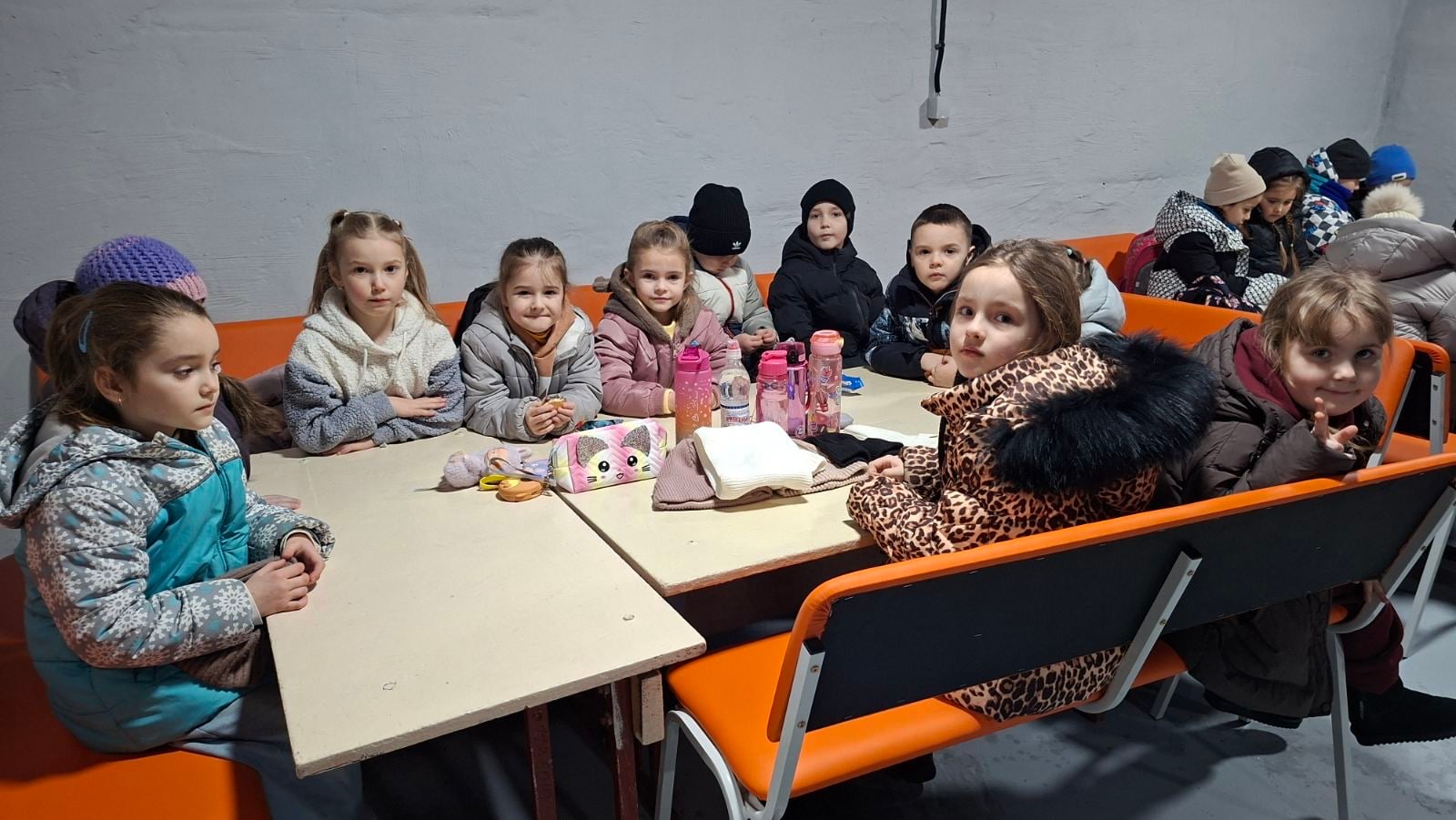
Over four years of the full-scale war, KSE Foundation, the charitable foundation of Kyiv School of Economics, has equipped 115 shelters in schools and kindergartens across Ukraine with the support of donors and partners. This effort has enabled more than 45,000 children in 14 regions to return to in-person learning, with a particular focus on areas experiencing frequent and prolonged air raid alerts.
In 2022, KSE Foundation launched the Safe Education Shelter Programme in response to the educational crisis caused by russia’s full-scale invasion. Through this initiative, the Foundation helps Ukrainian children return to offline learning, as the availability of shelters remains a key requirement for reopening educational institutions for in-person education.
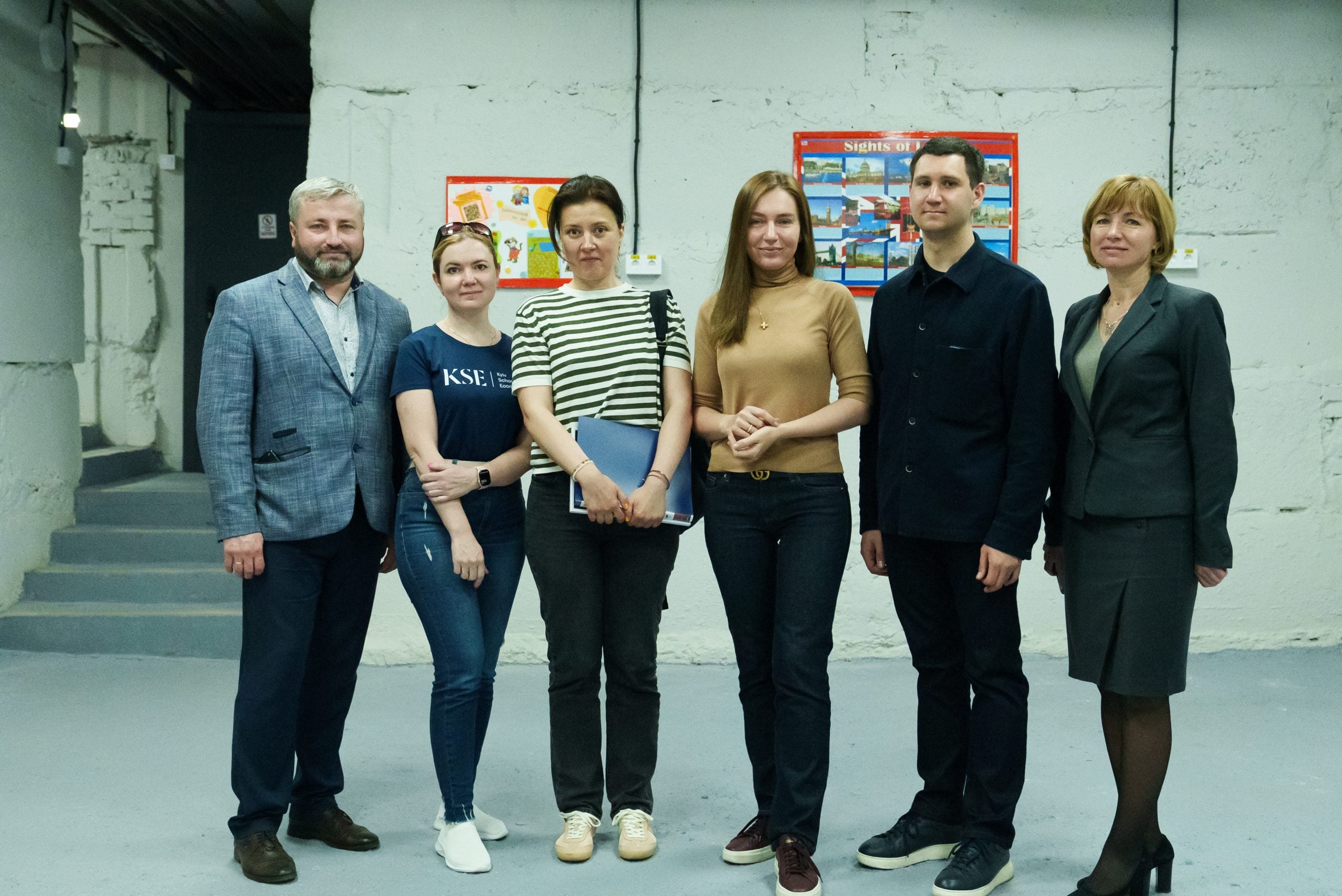
The KSE Foundation team scaled the programme across schools and kindergartens nationwide by bringing together 16 Ukrainian and international partners and equipping 100 shelters. An additional 15 shelters were established through the Multi-Year Resilience Programme (MYRP) with the support of Education Cannot Wait (ECW), the United Nations global fund for education in emergencies and protracted crises.
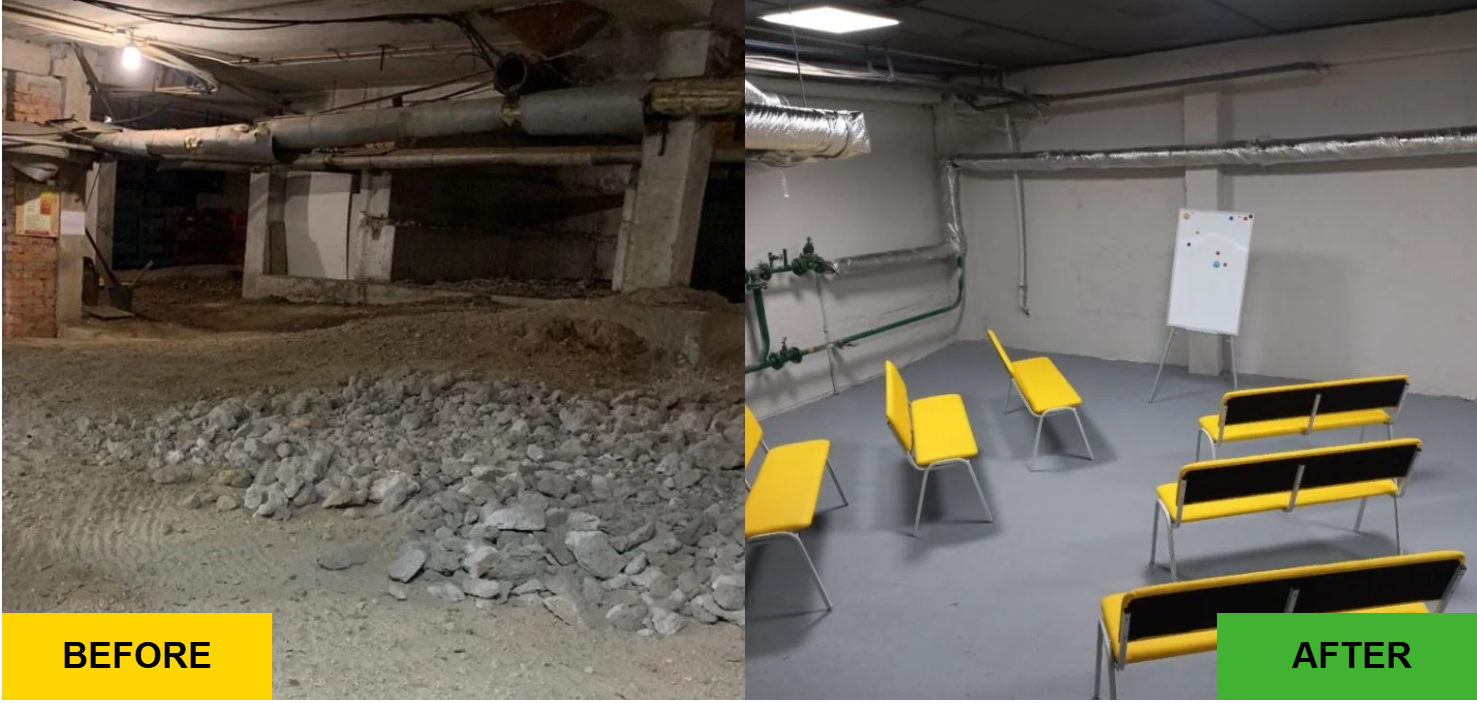
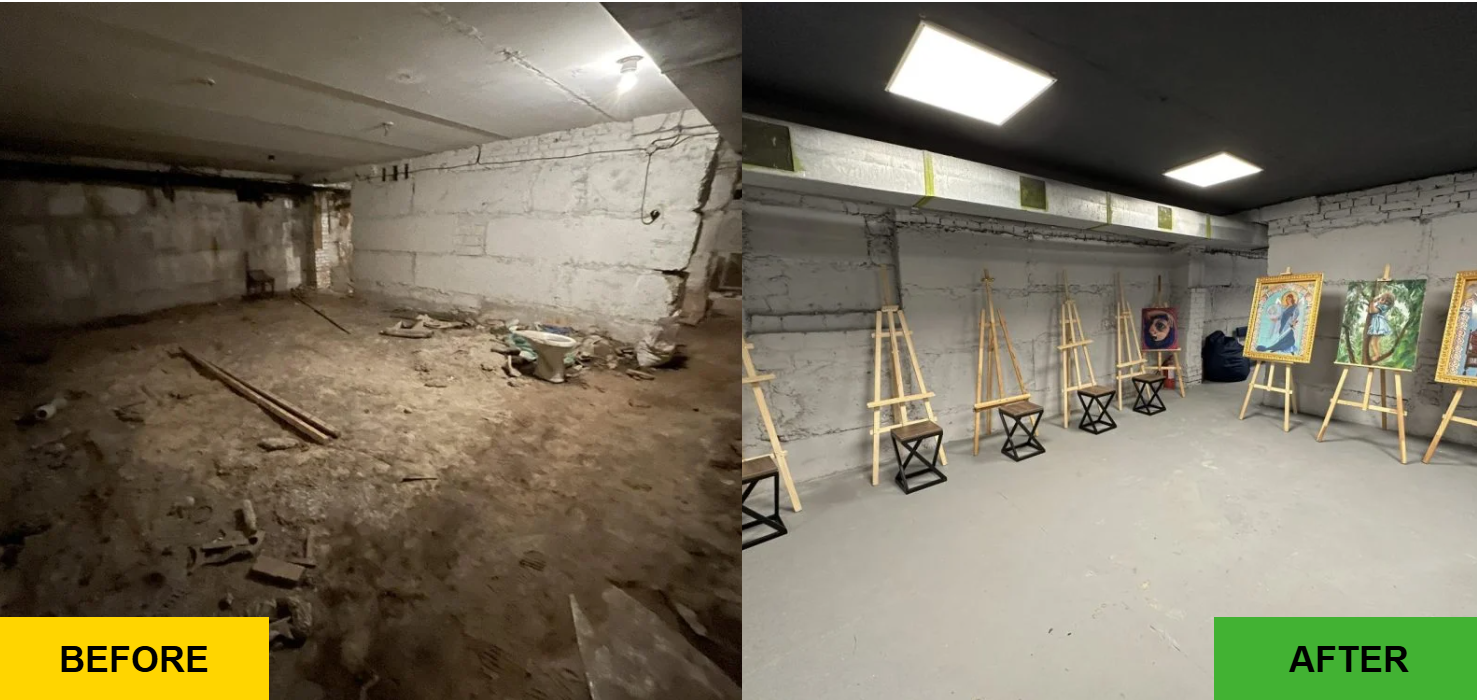
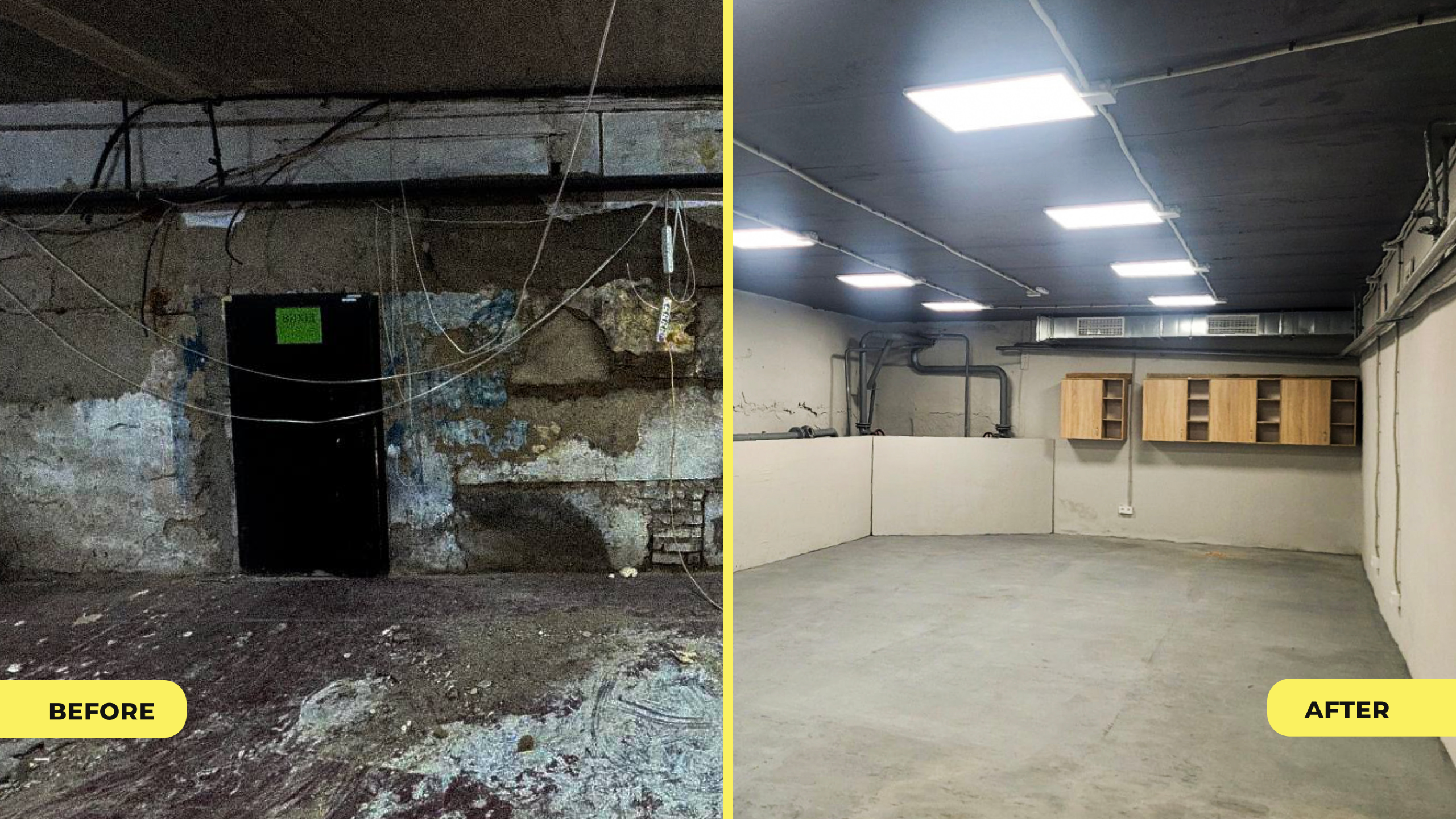
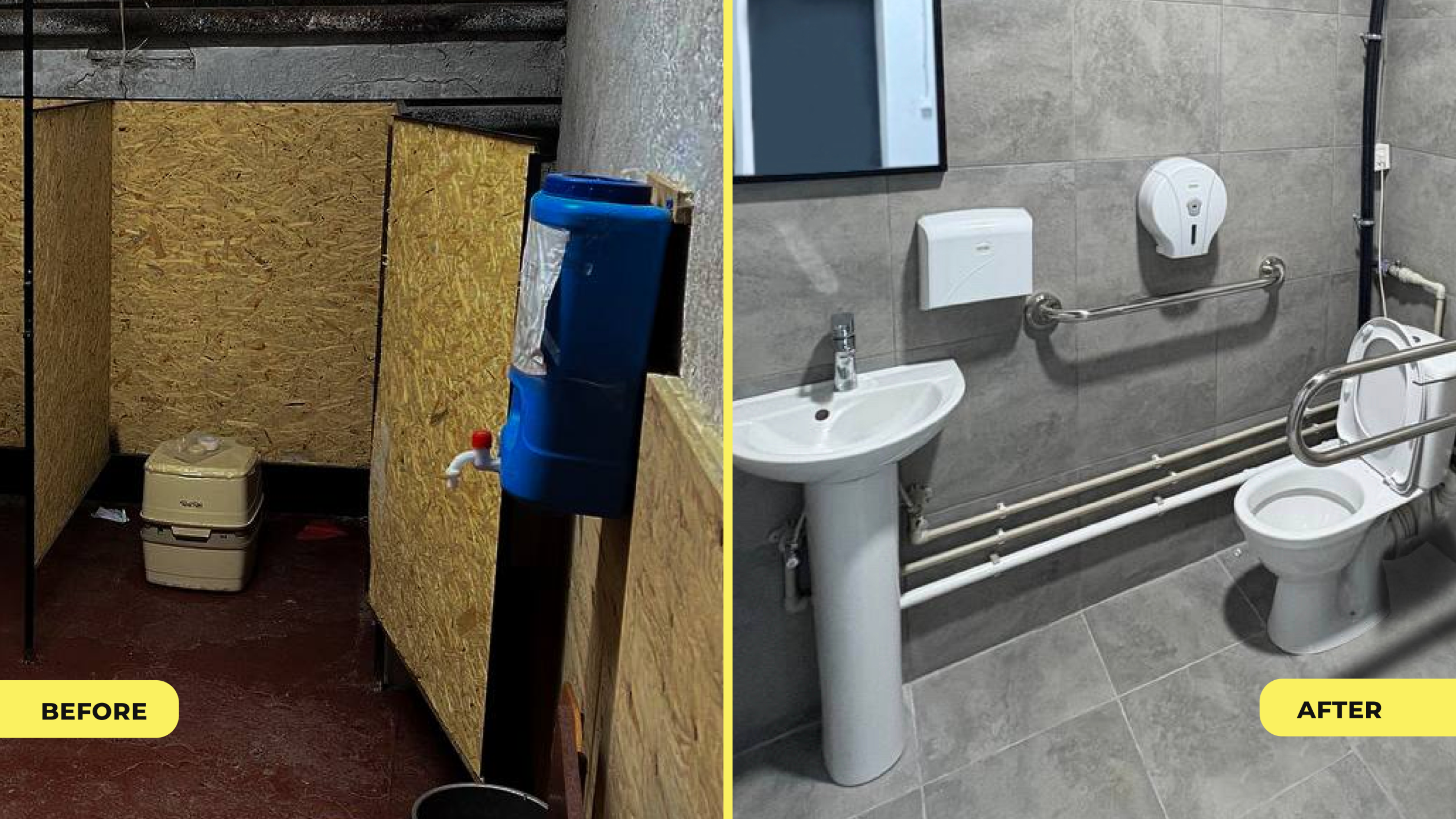
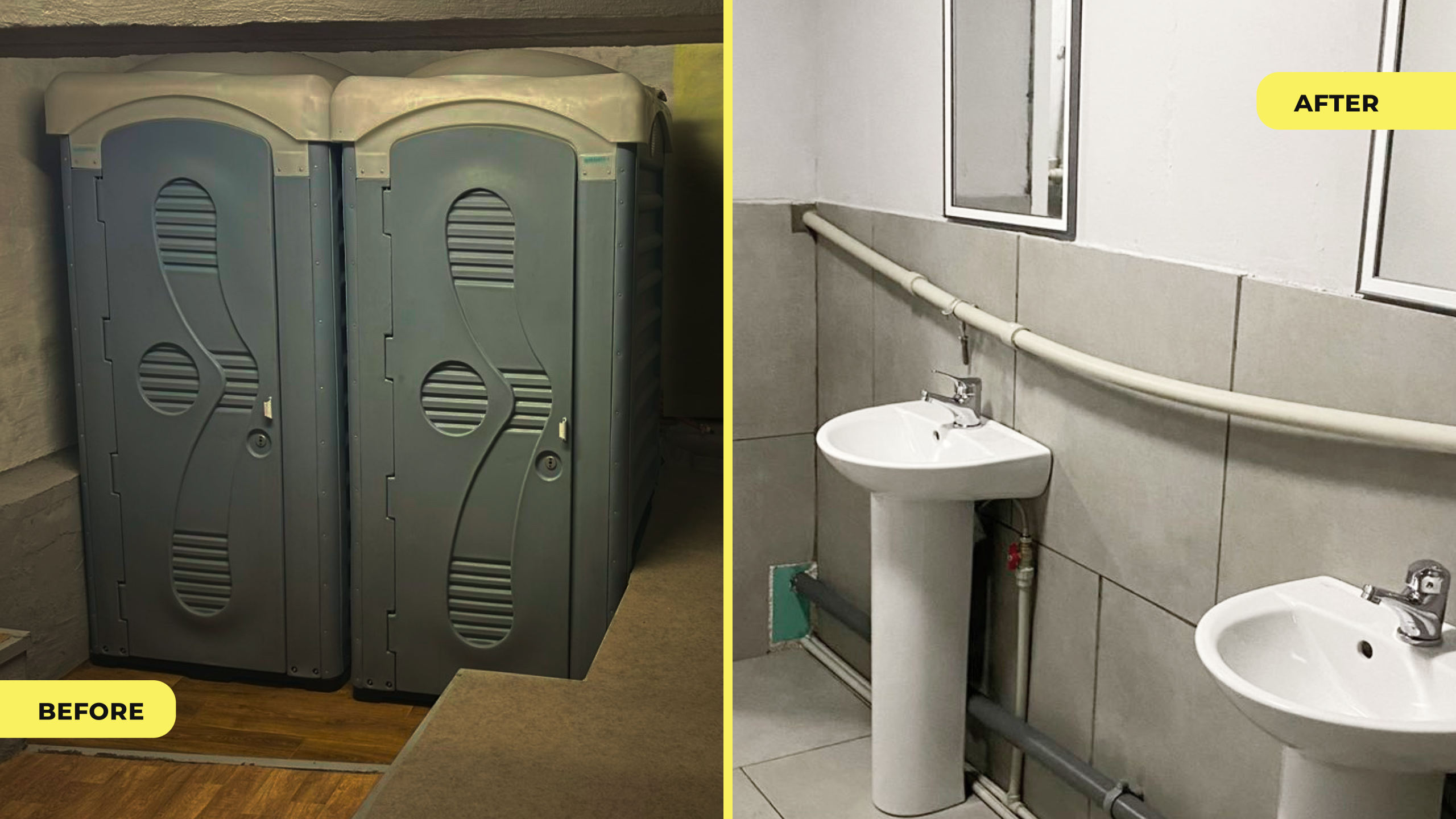
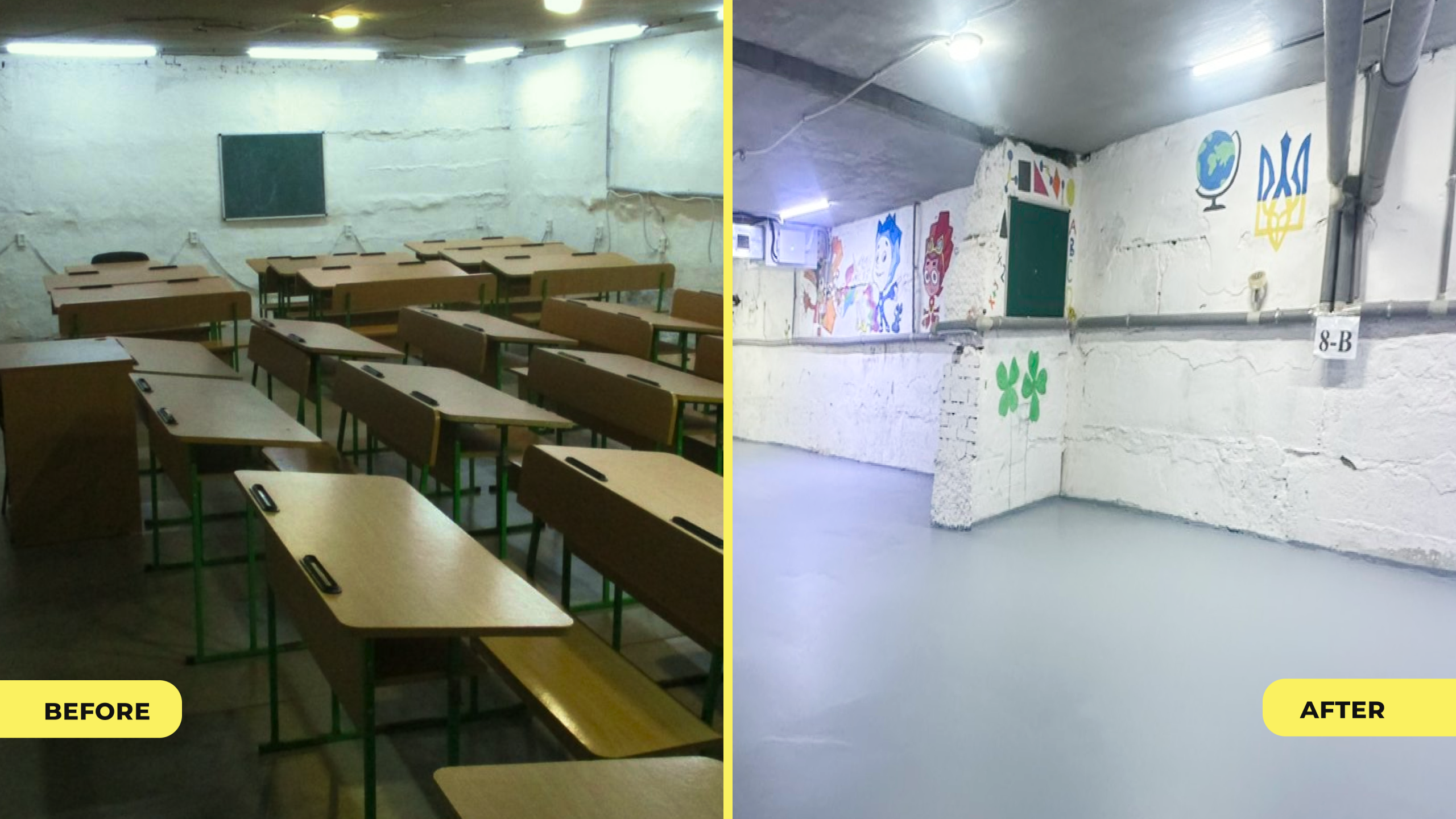
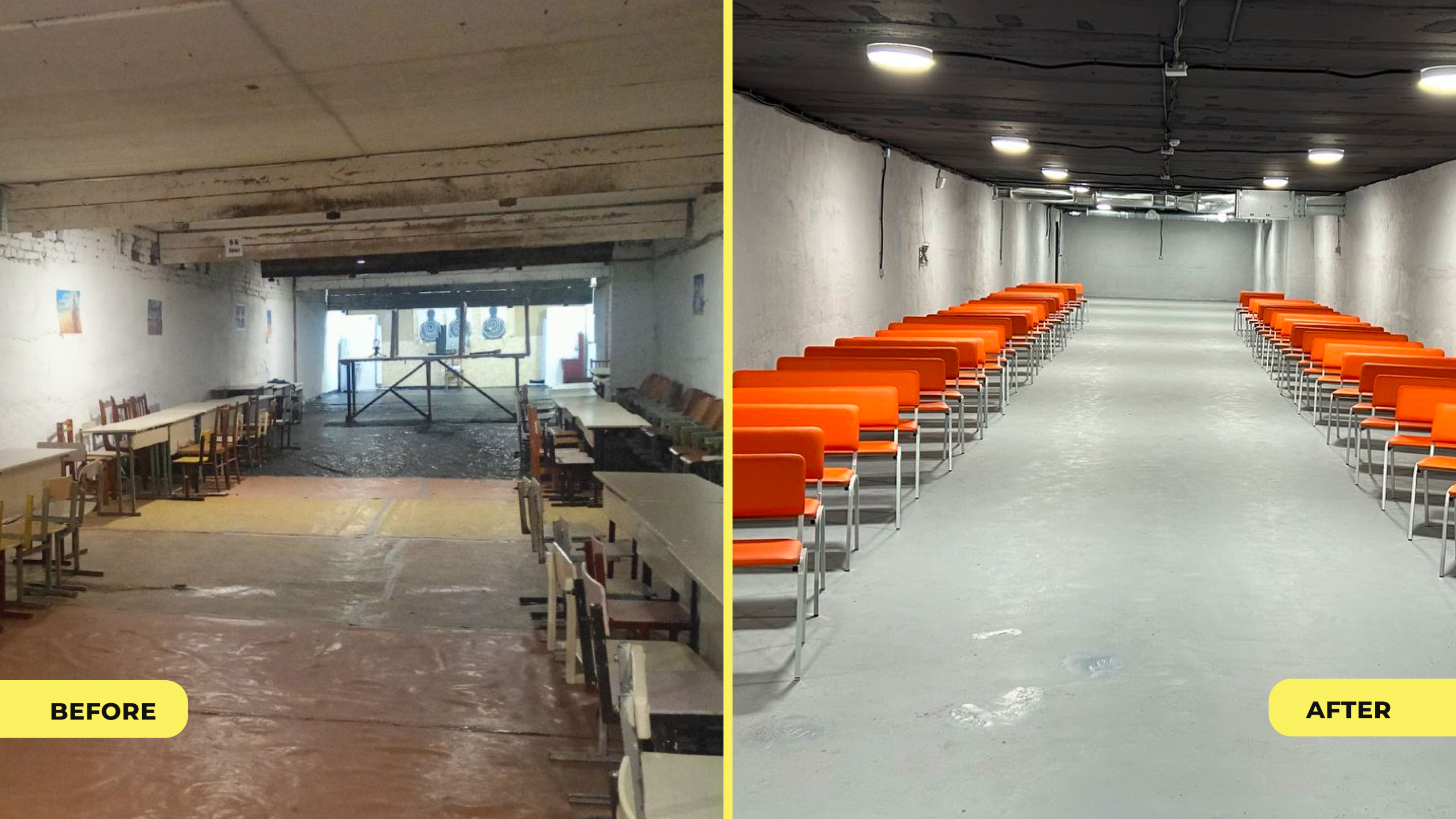
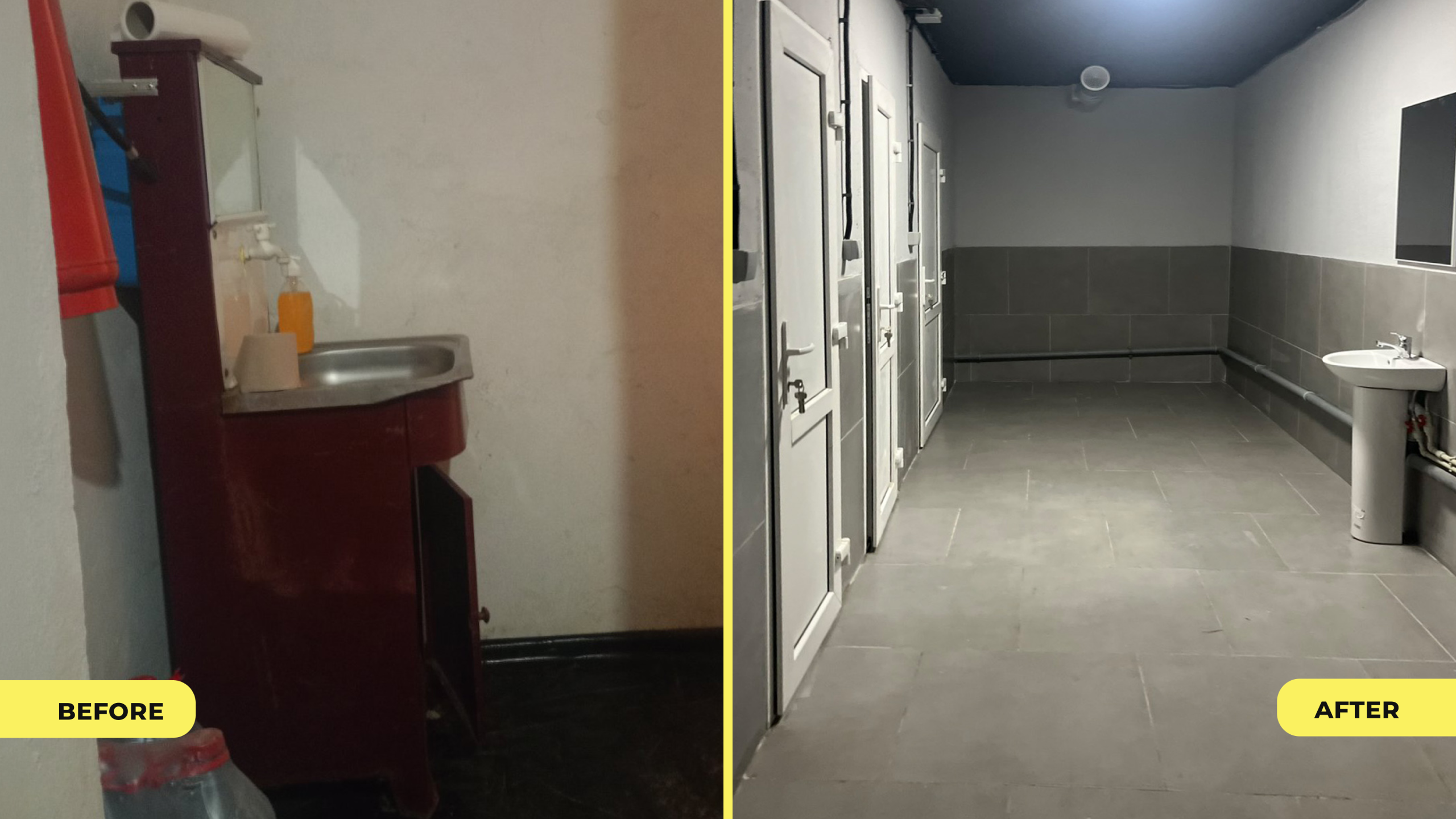
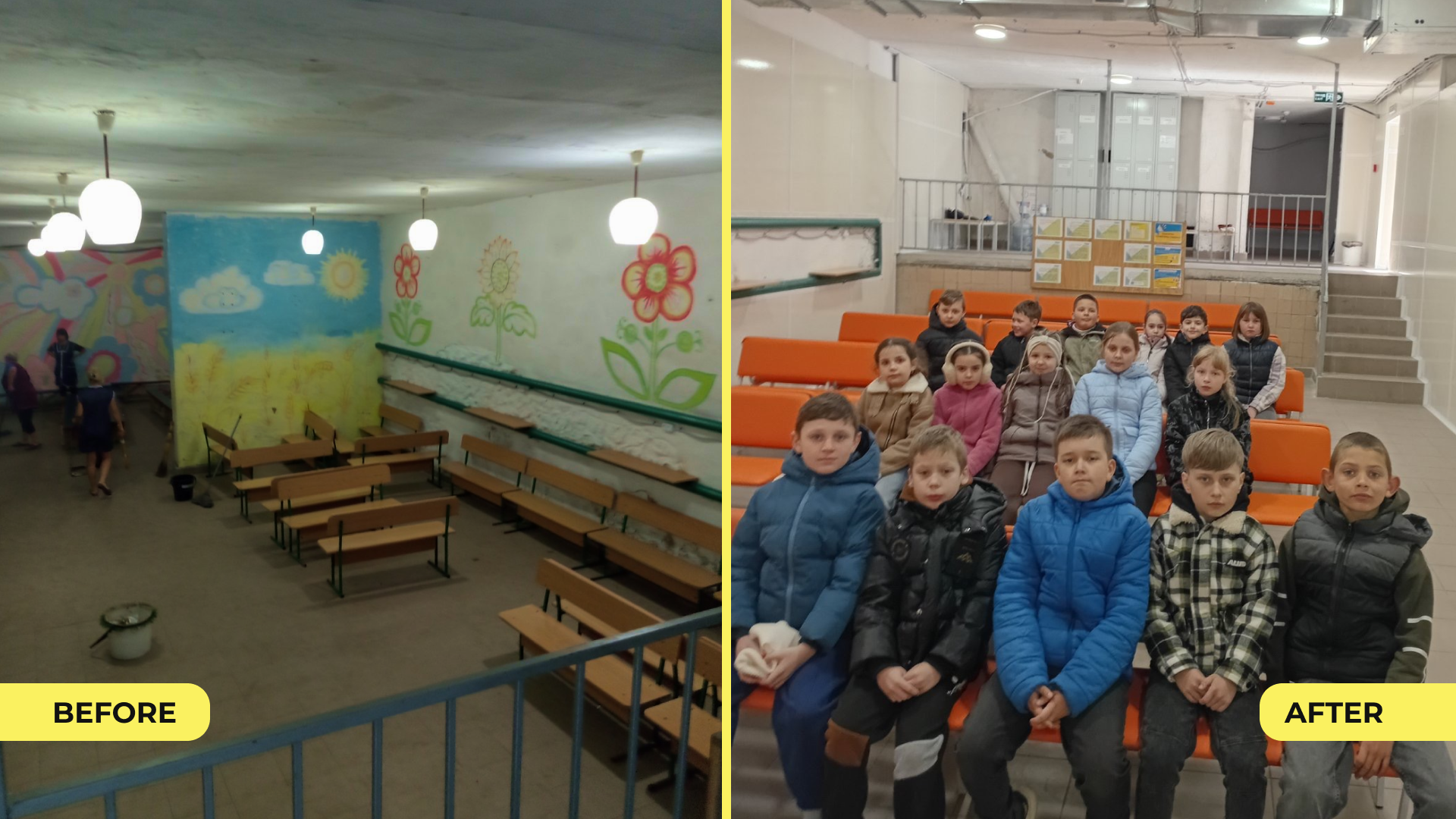
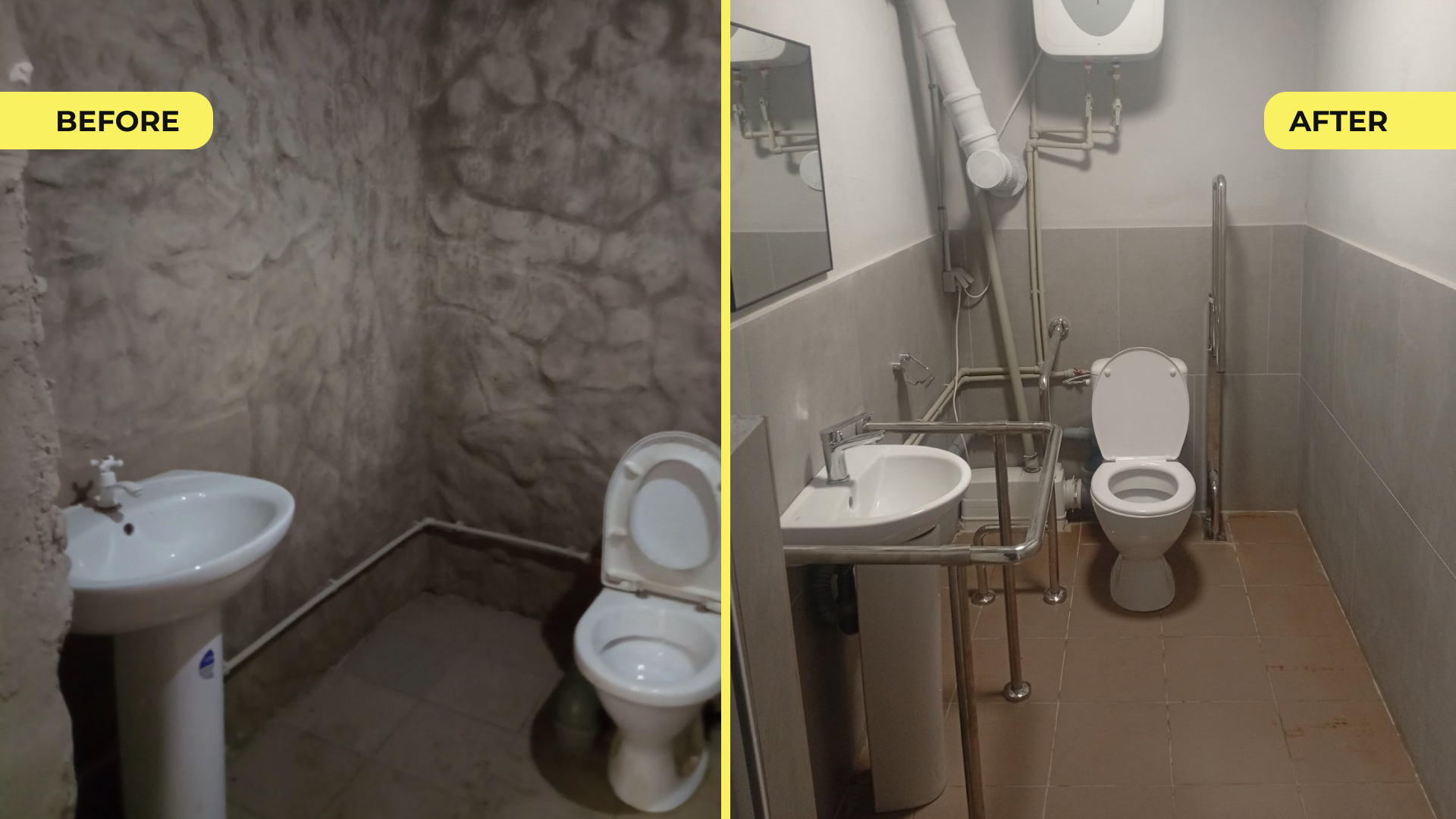
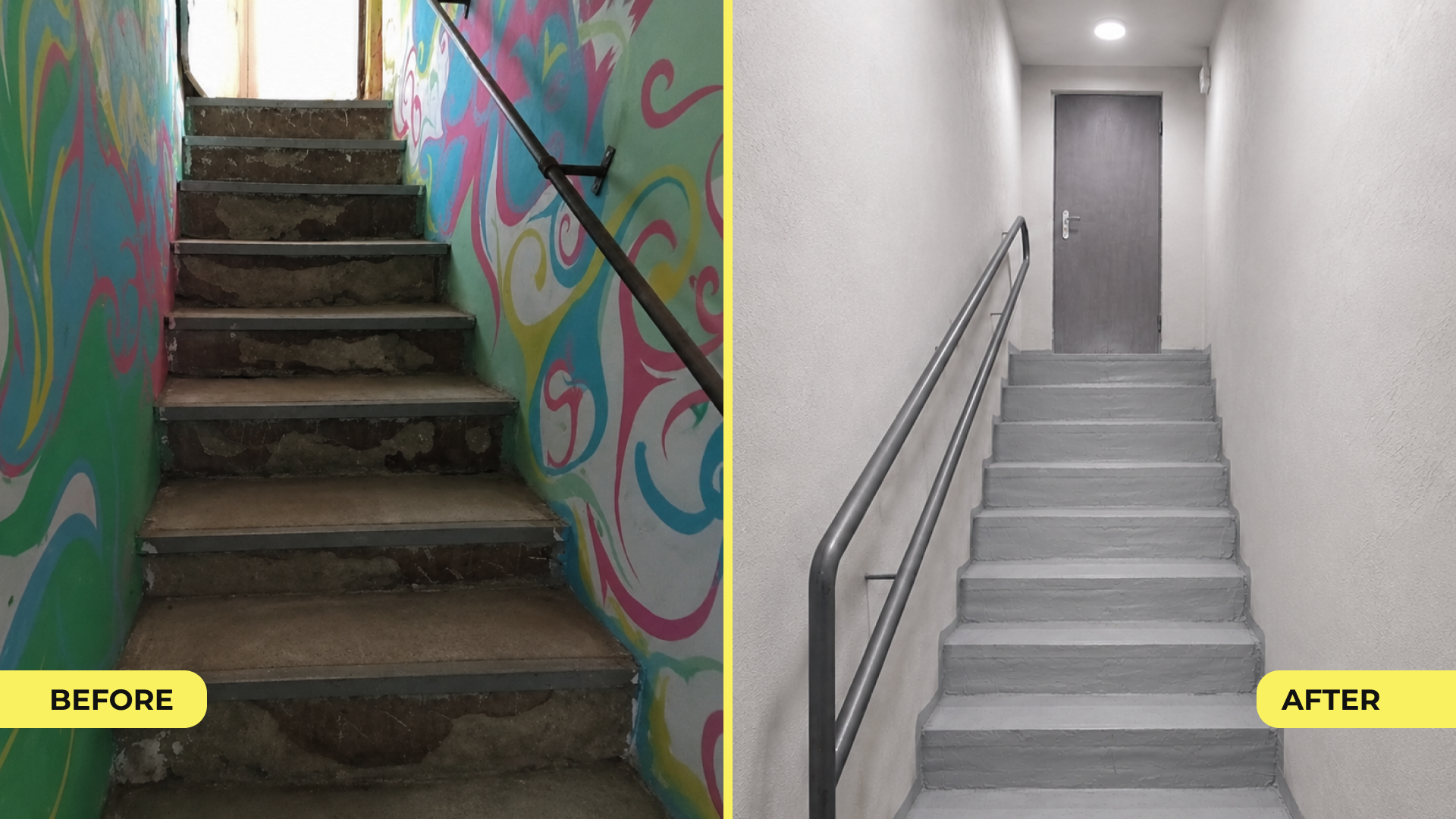
KSE Foundation continues to equip and upgrade shelters that meet basic safety standards, including proper ventilation, lighting, accessibility, comfort, and sufficient seating capacity. Each shelter allows hundreds of children to remain engaged in the educational process without losing an academic year.
In total, KSE Foundation has equipped 115 shelters in schools and kindergartens across 14 regions of Ukraine, helping more than 45,000 children return to in-person learning.
The largest number of shelters has been equipped in Kyiv Region (23), Dnipropetrovsk Region (16), Chernihiv Region (15), Kirovohrad Region (13), and Sumy Region (12).
“We focus on northern, eastern, and southern regions of Ukraine, where air raid alerts occur most frequently and last the longest. We prioritize hub schools because, in many rural communities, they serve as the only educational and social center. When children can attend school in person, families are more likely to stay in or return to their communities. Without jobs and schools, communities lose people,” said Marina Borysenko, Director of Programmes and Implementation at KSE Foundation.
Among the programme’s largest donors is Raiffeisen Bank Ukraine, whose support enabled the Foundation to equip 38 shelters. Other partners include XTX Markets, Vodafone Ukraine, Ukrposhta, the Olena Zelenska Foundation, OKKO, Dragon Capital, Chernovetskyi Investment Group, Arzinger, Kyivstar, and Education Cannot Wait.
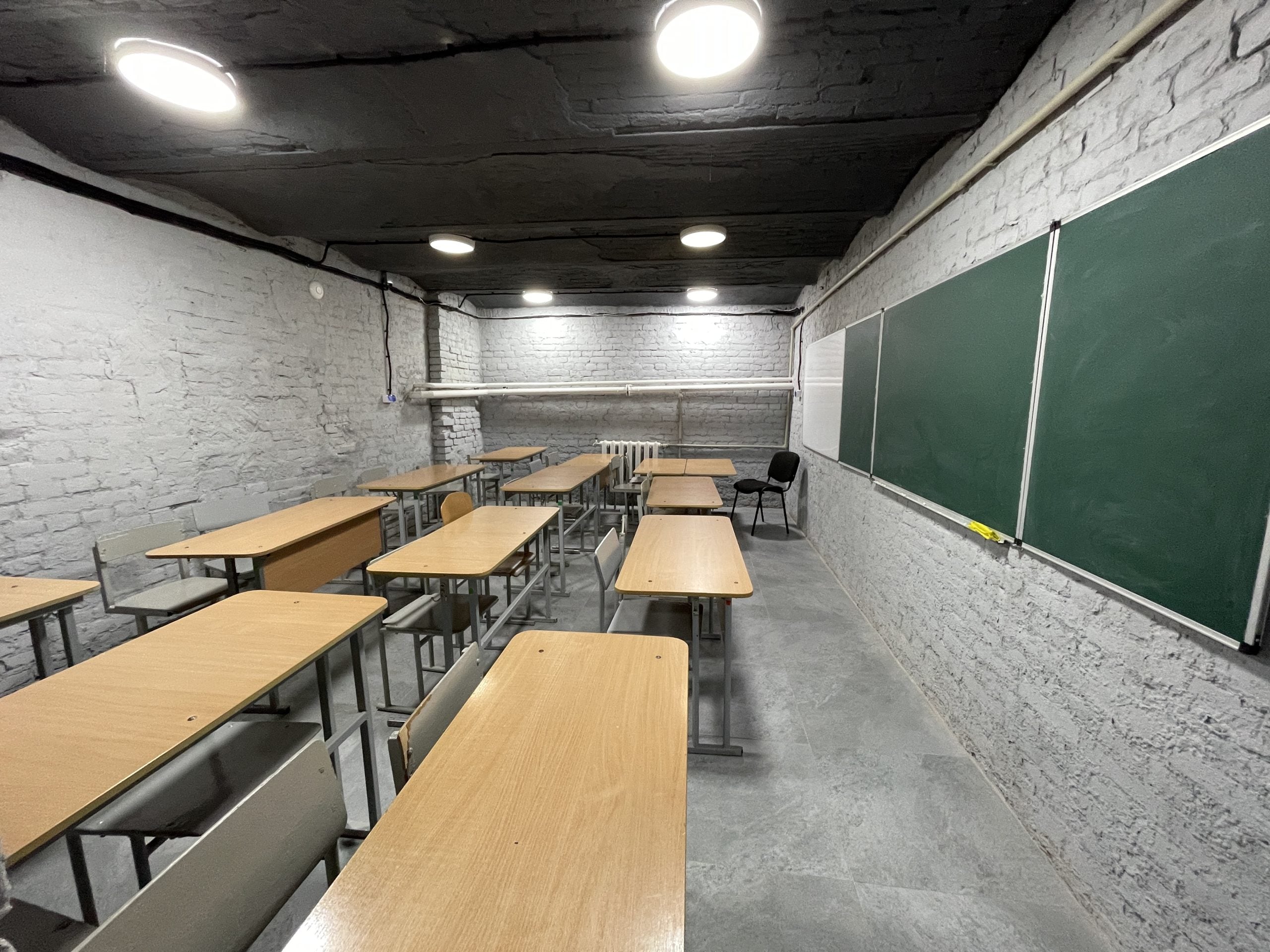
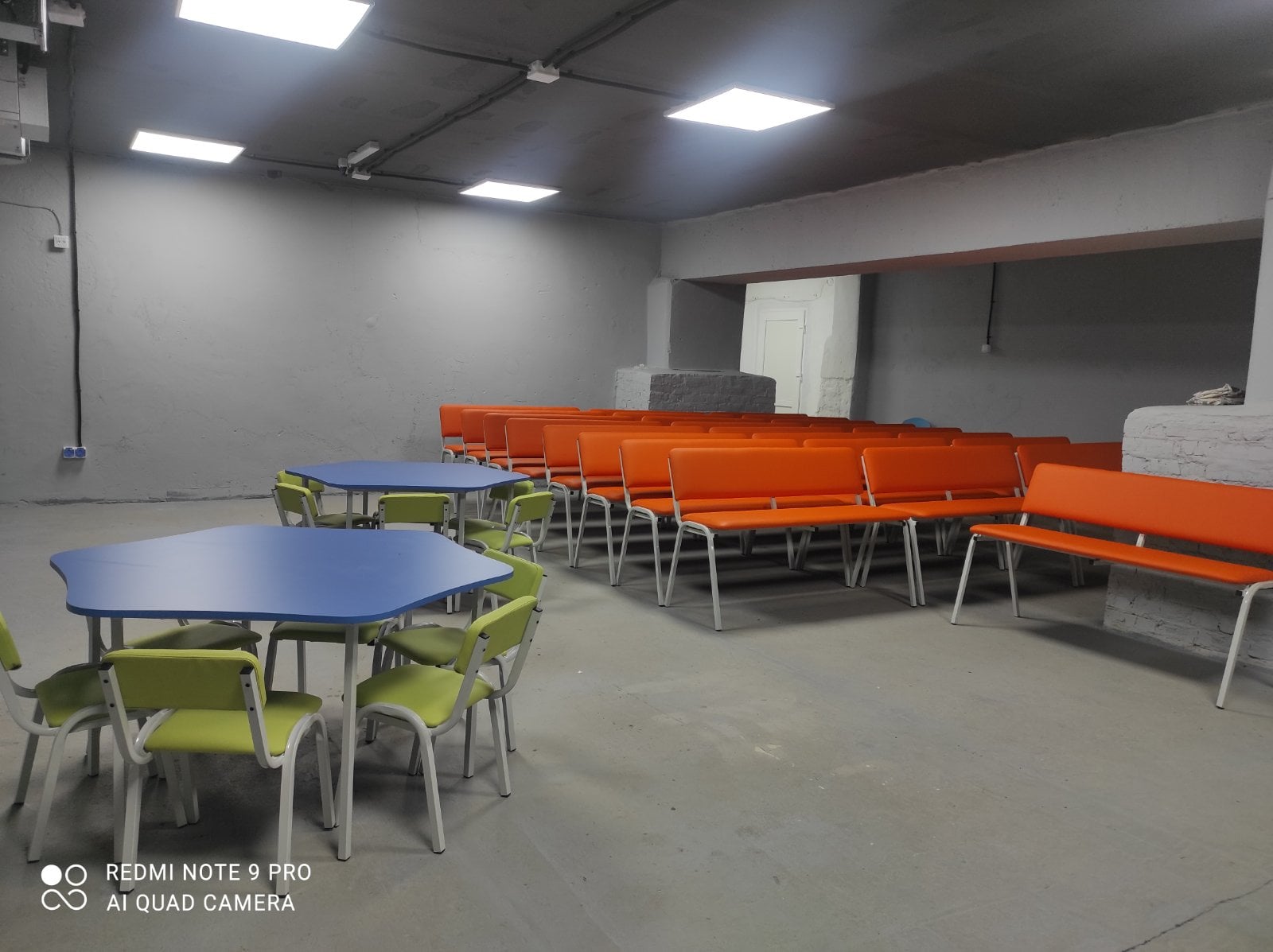
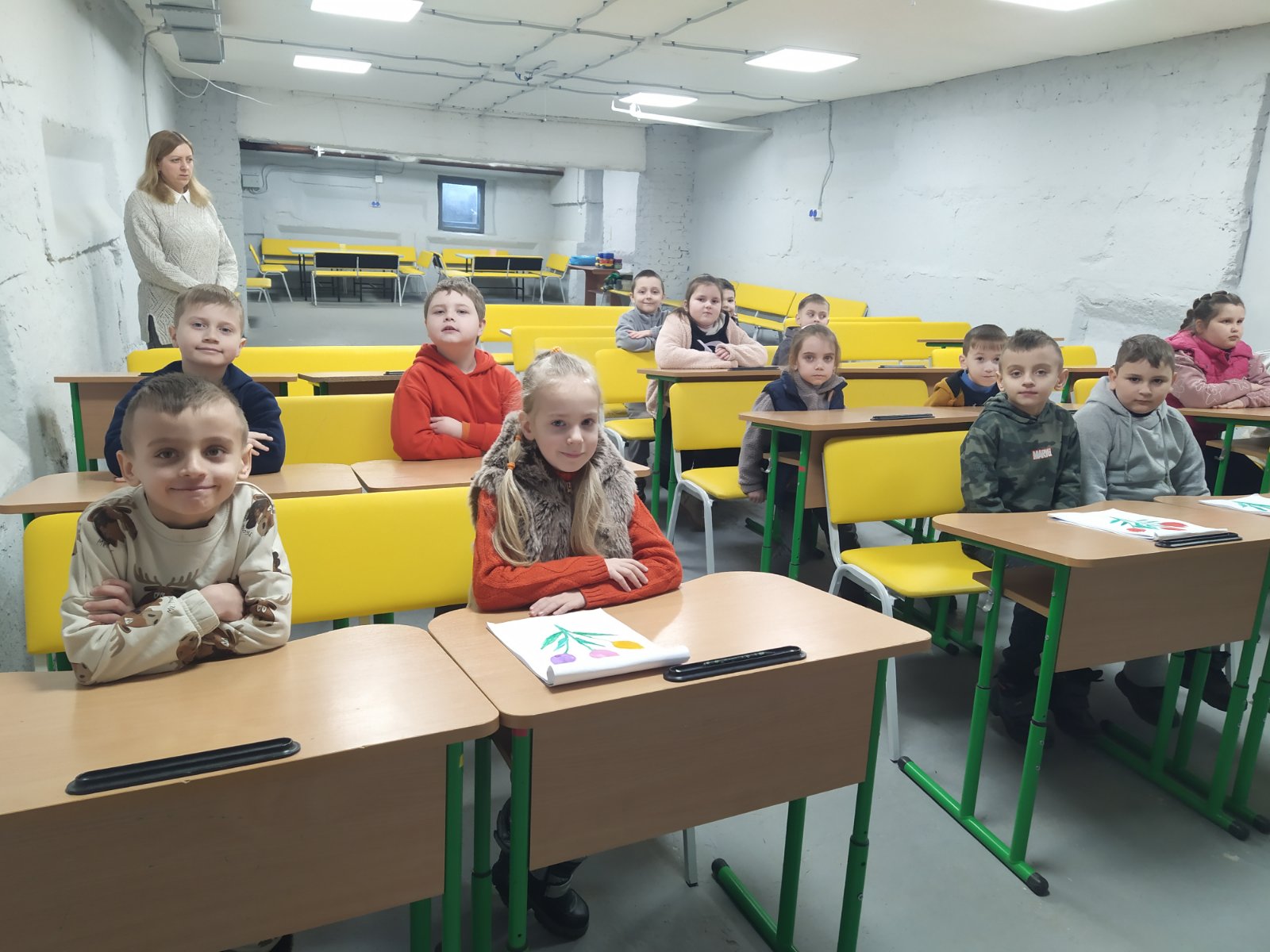
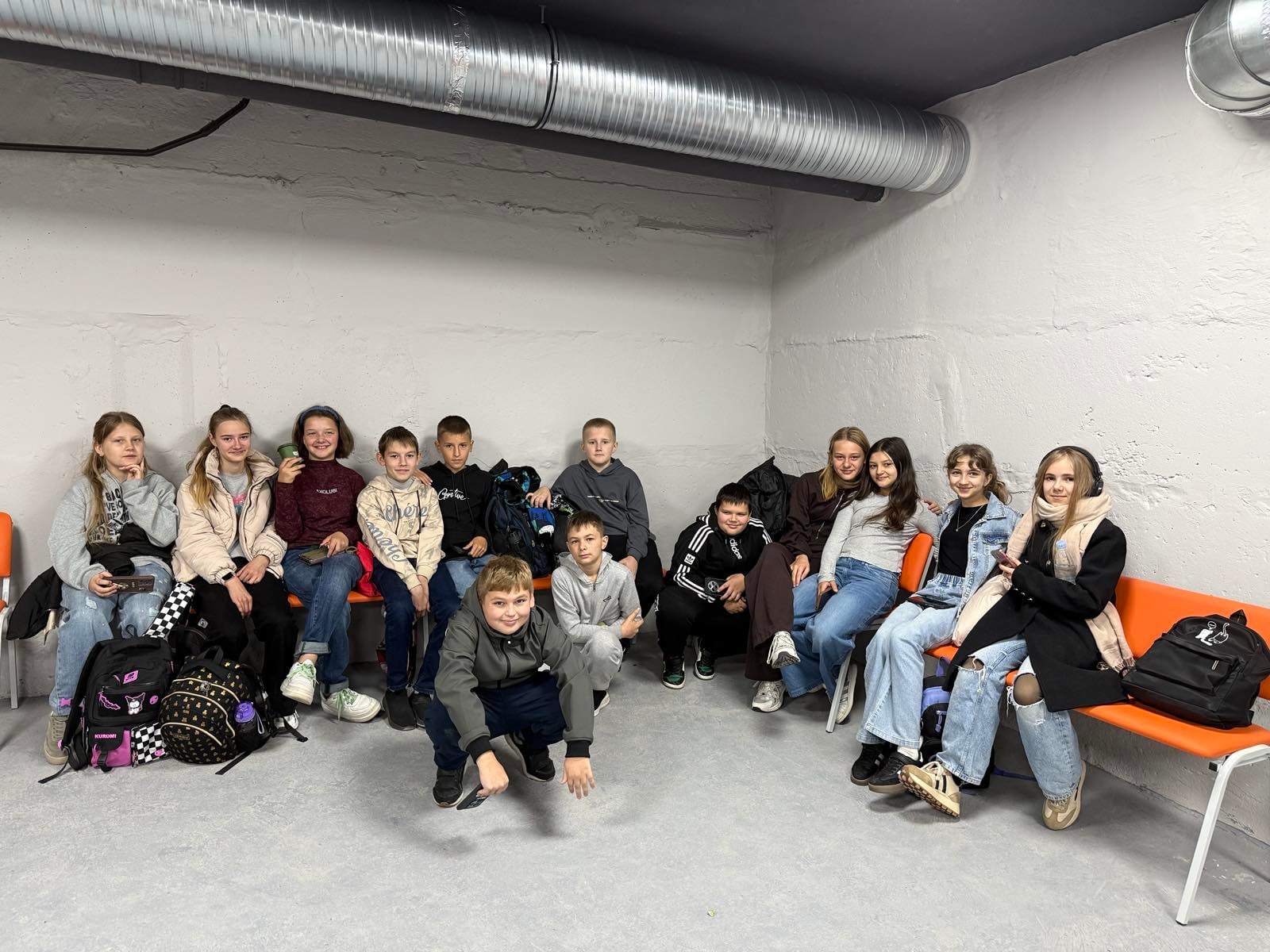
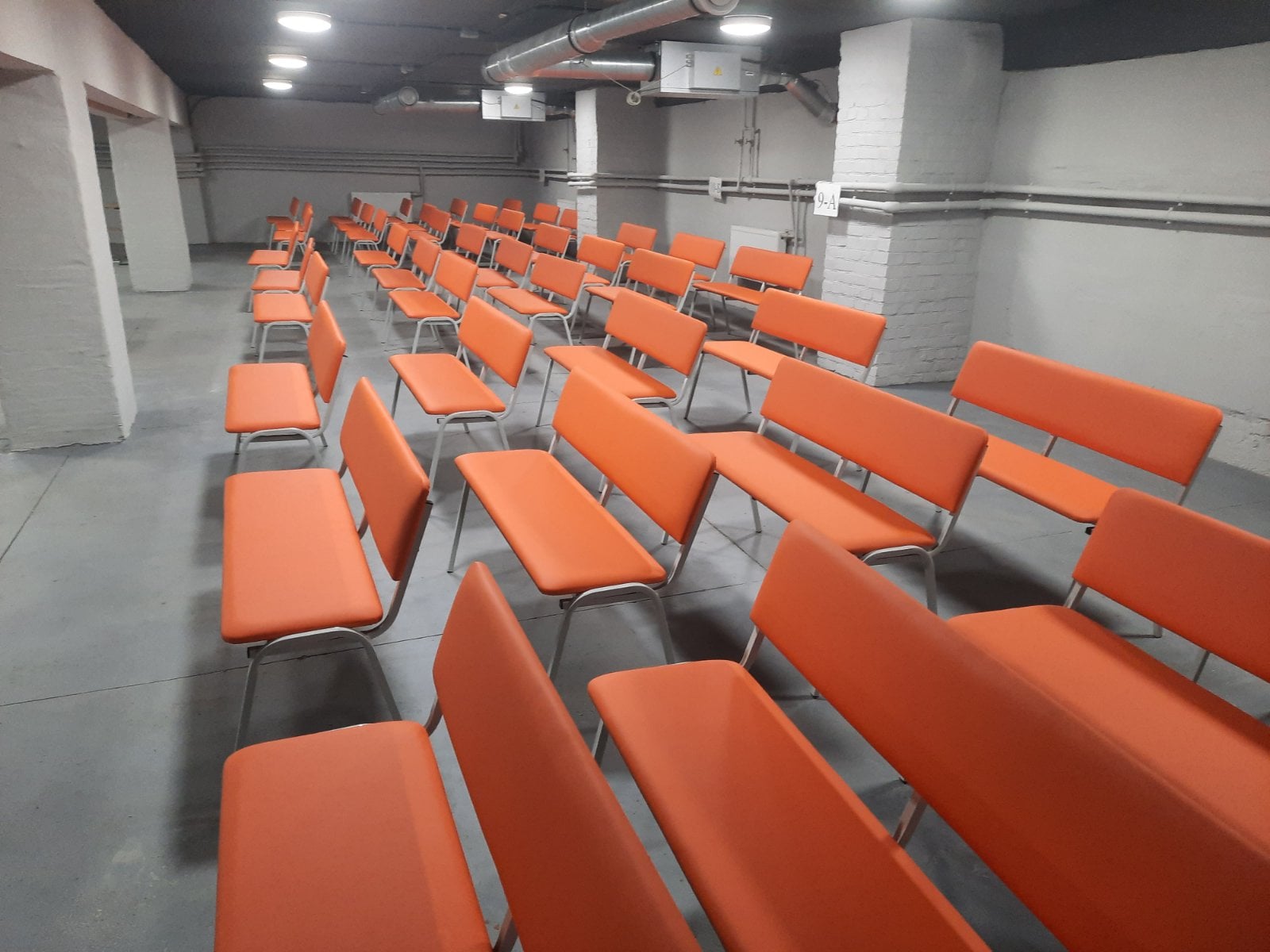
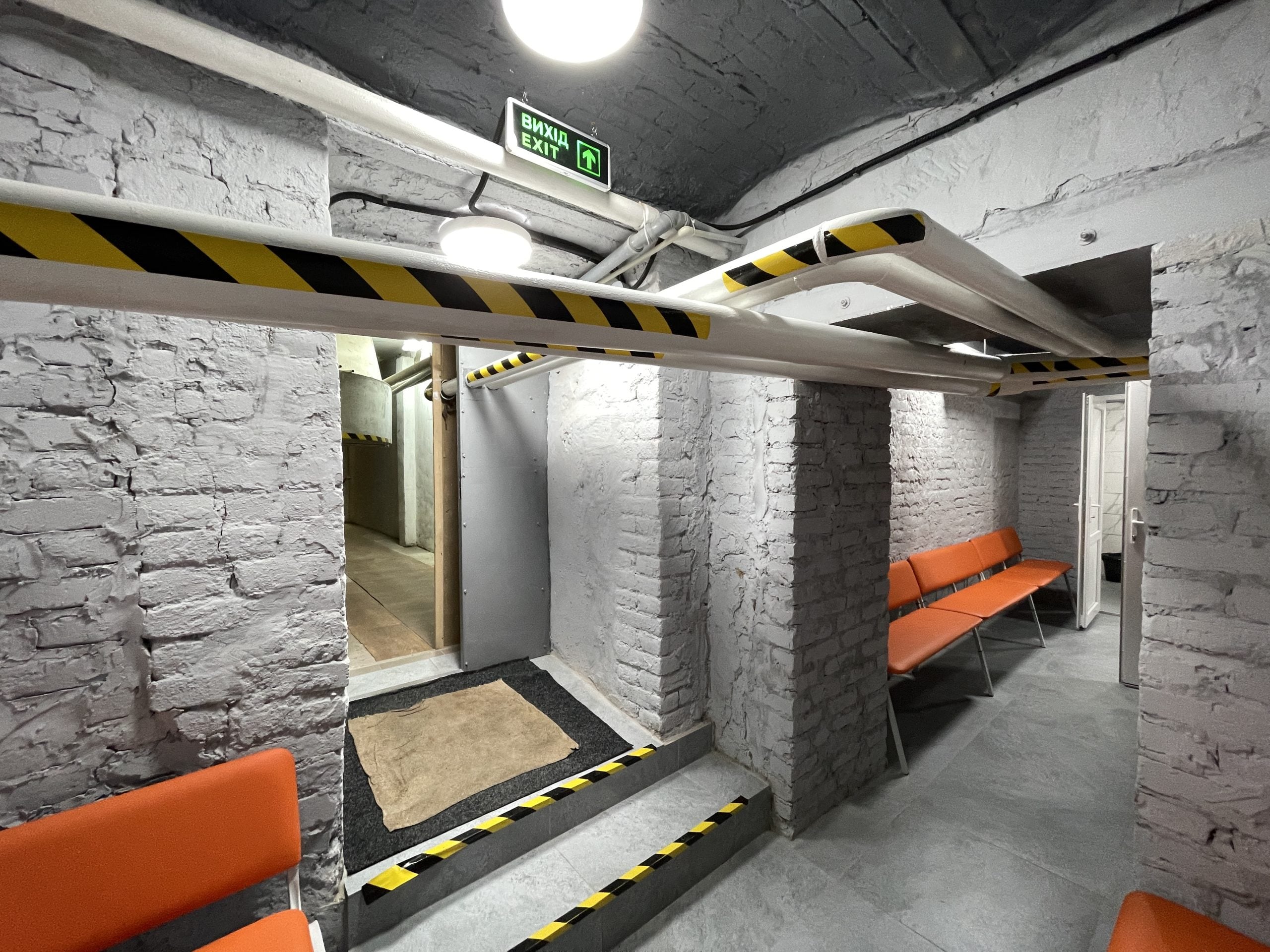
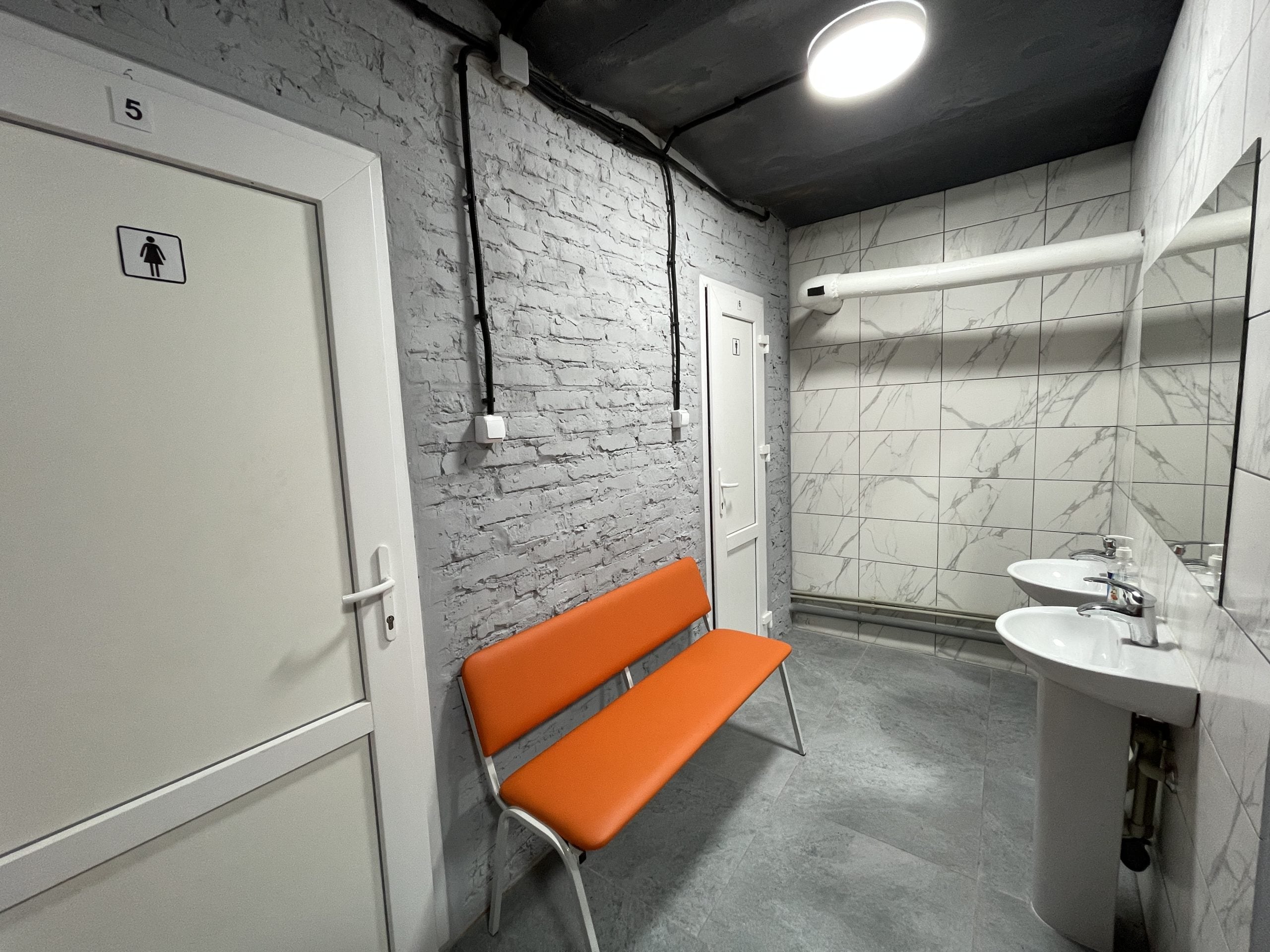
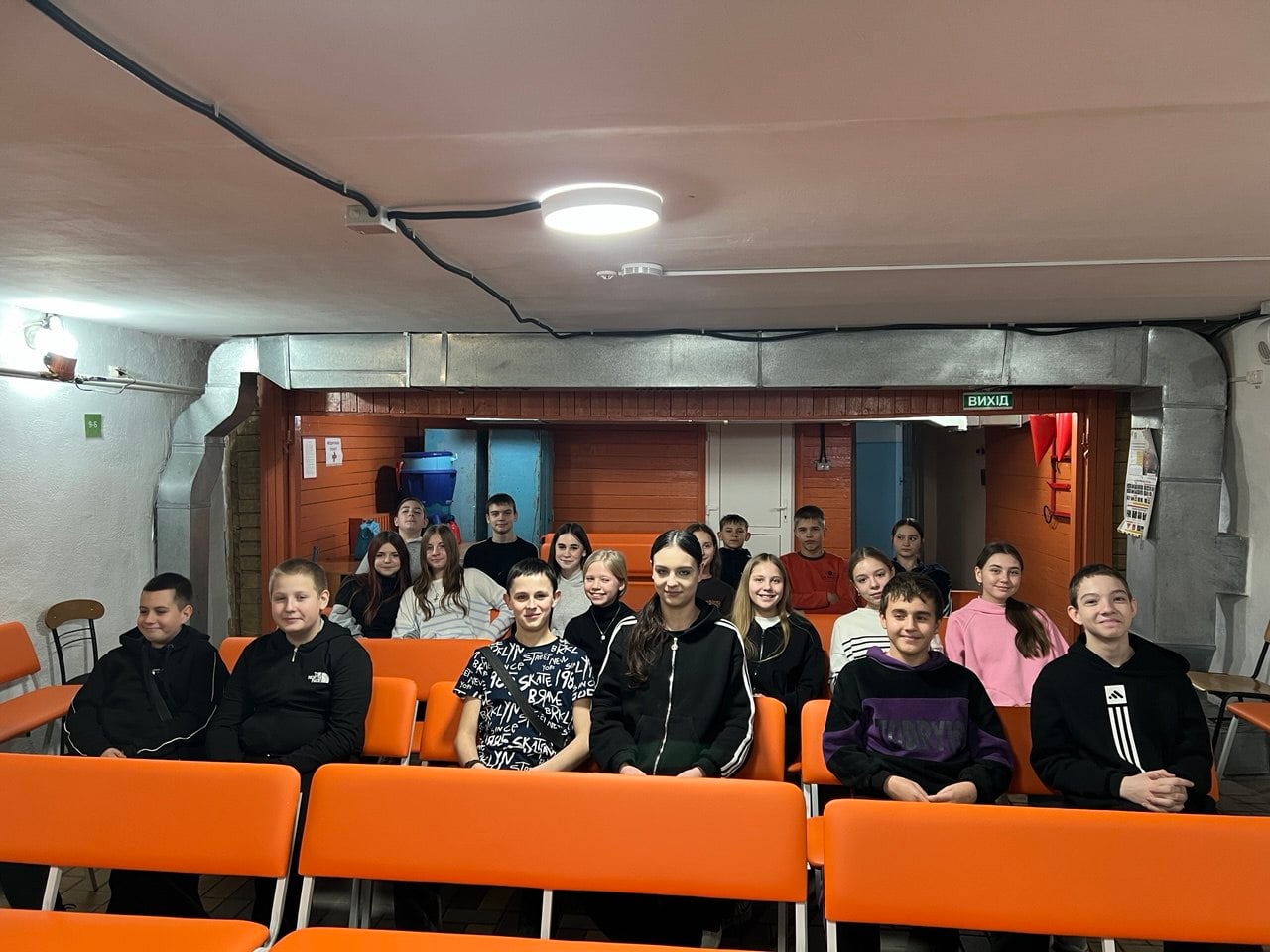
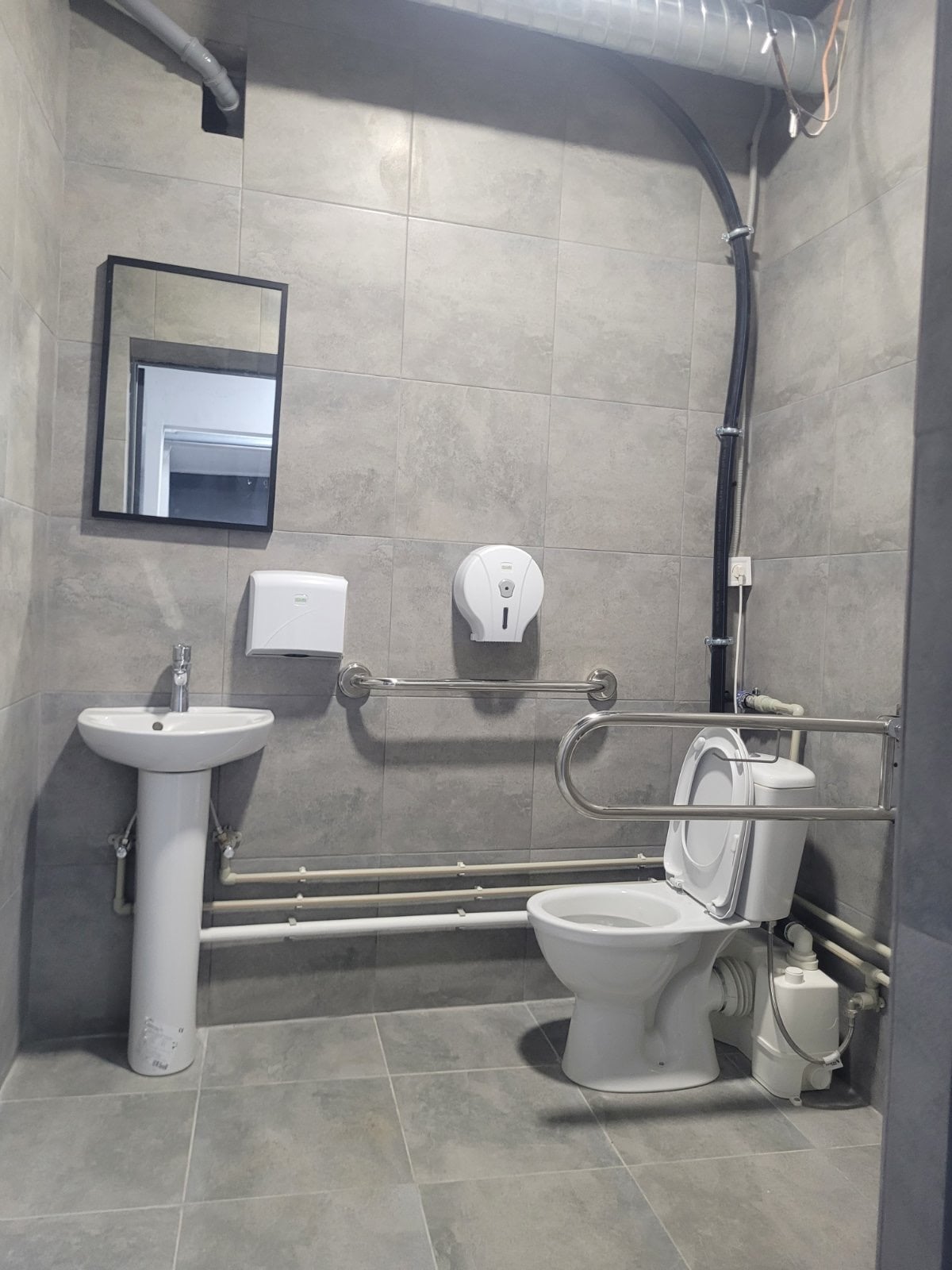
One of the schools that received a shelter through the programme is Losynivka School in the Chernihiv region. The school was occupied during the first days of the full-scale invasion. After the community was liberated, classes resumed online, and in 2024 students were finally able to return to in-person learning thanks to a shelter equipped by KSE Foundation. A basement that had remained unused for years was transformed into a comfortable learning space with ventilation, lighting, restrooms, and seating. Today, 336 students, including 11 children displaced by the war, continue their education in person even during air raid alerts.
“During the occupation, we had to completely suspend the educational process for two months. After reopening, we moved online, but we quickly saw a decline in student performance. Not all students had the technical means to participate in remote classes. Returning to in-person education was critically important for us. We are sincerely grateful for the shelter, which now allows more than 350 students and 55 staff members to learn and work safely and comfortably during air raid alerts,” said Valentyna Haponenko, Principal of Losynivka Secondary School.
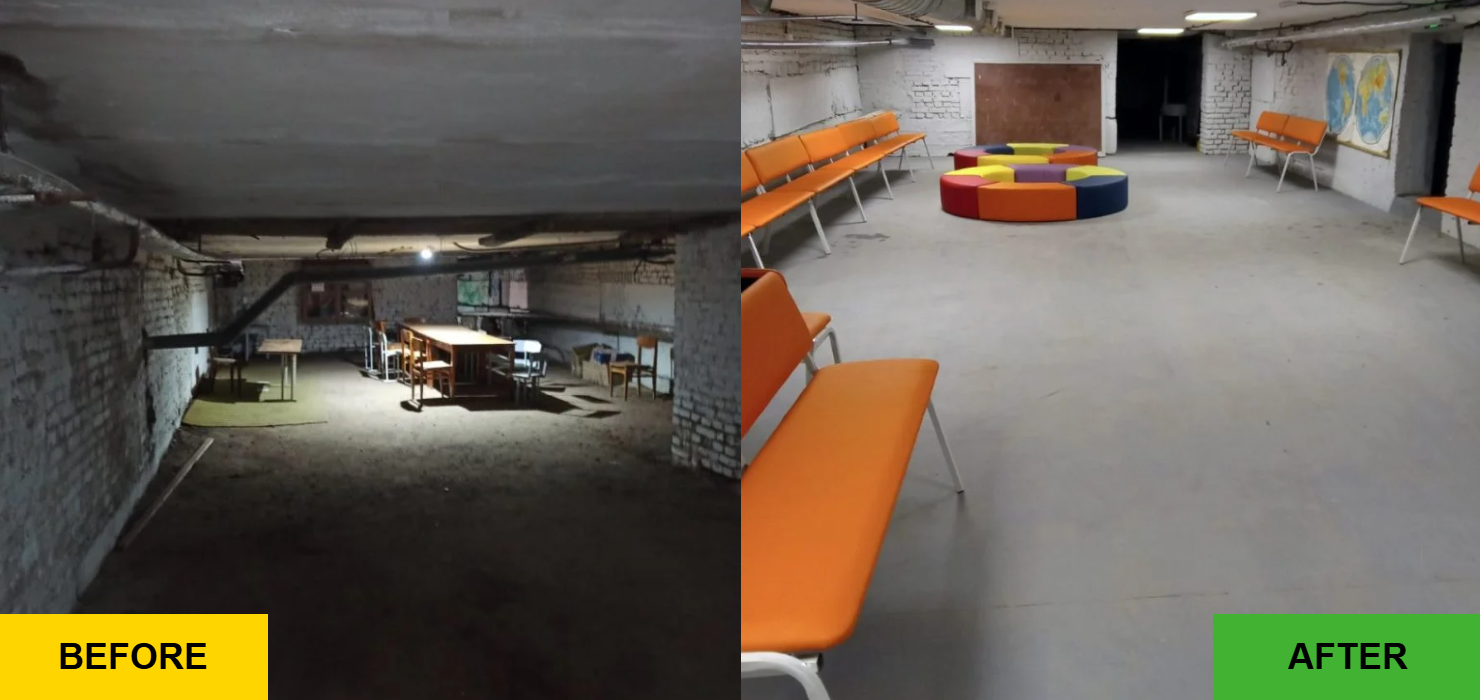
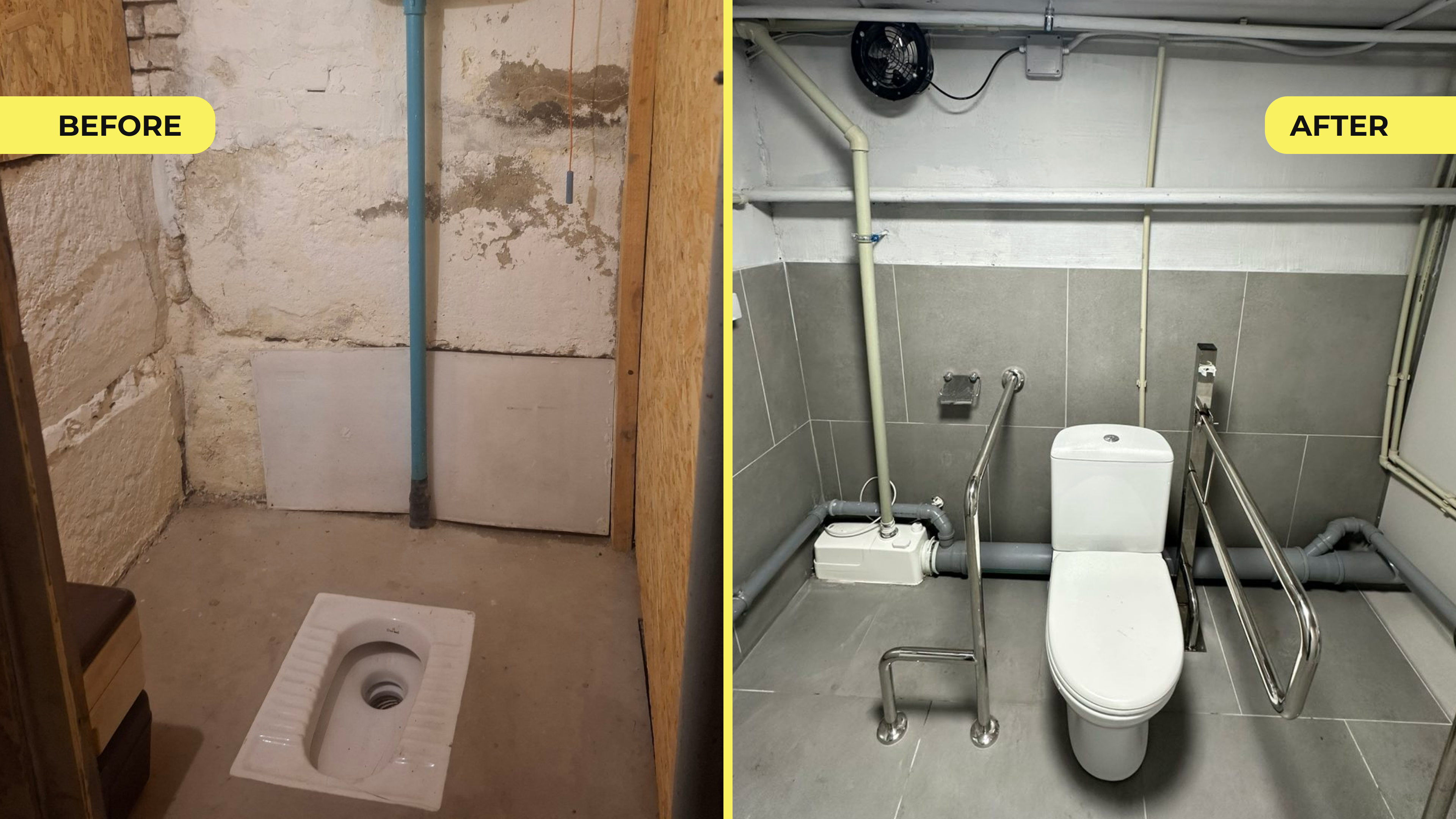
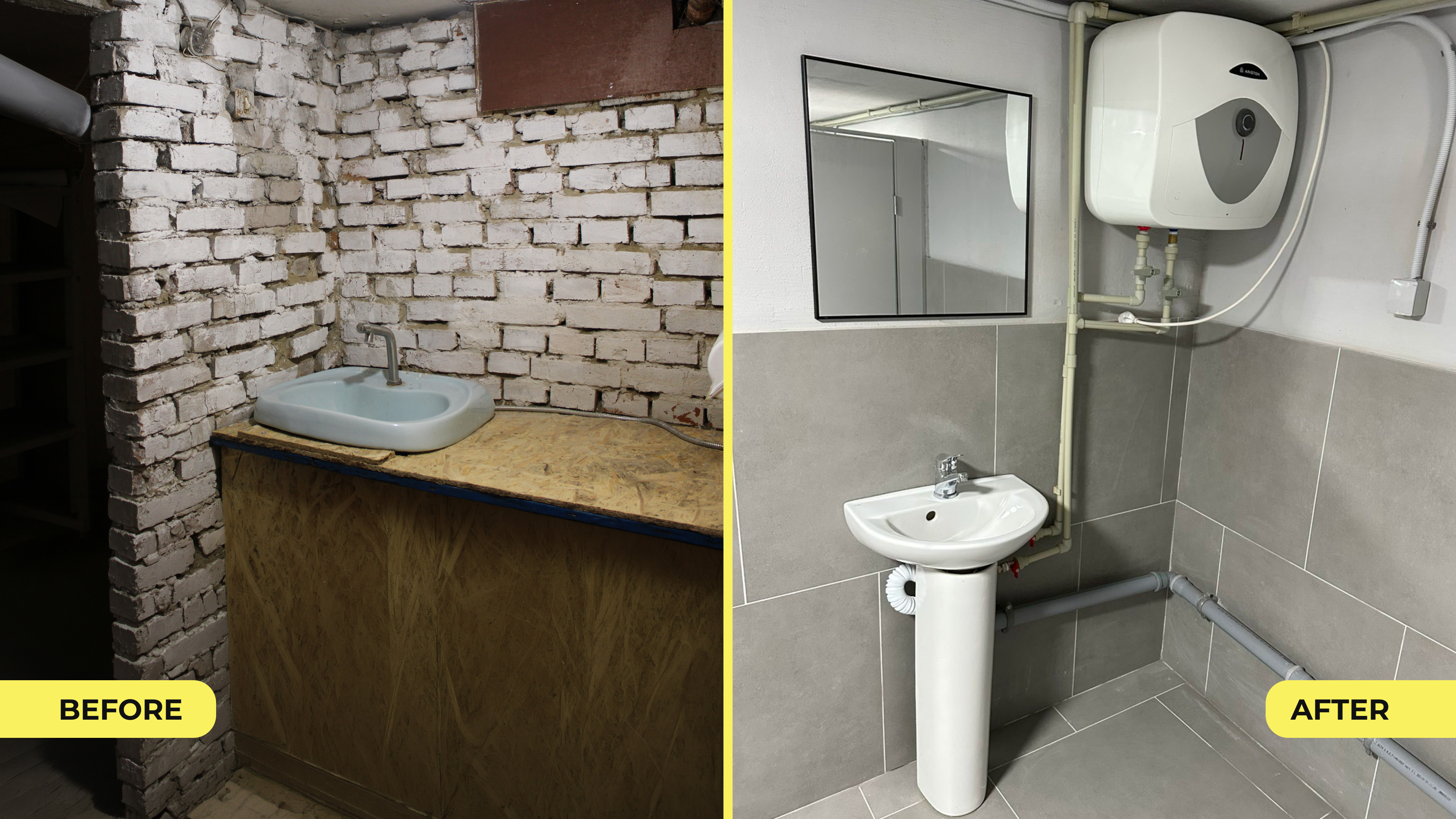
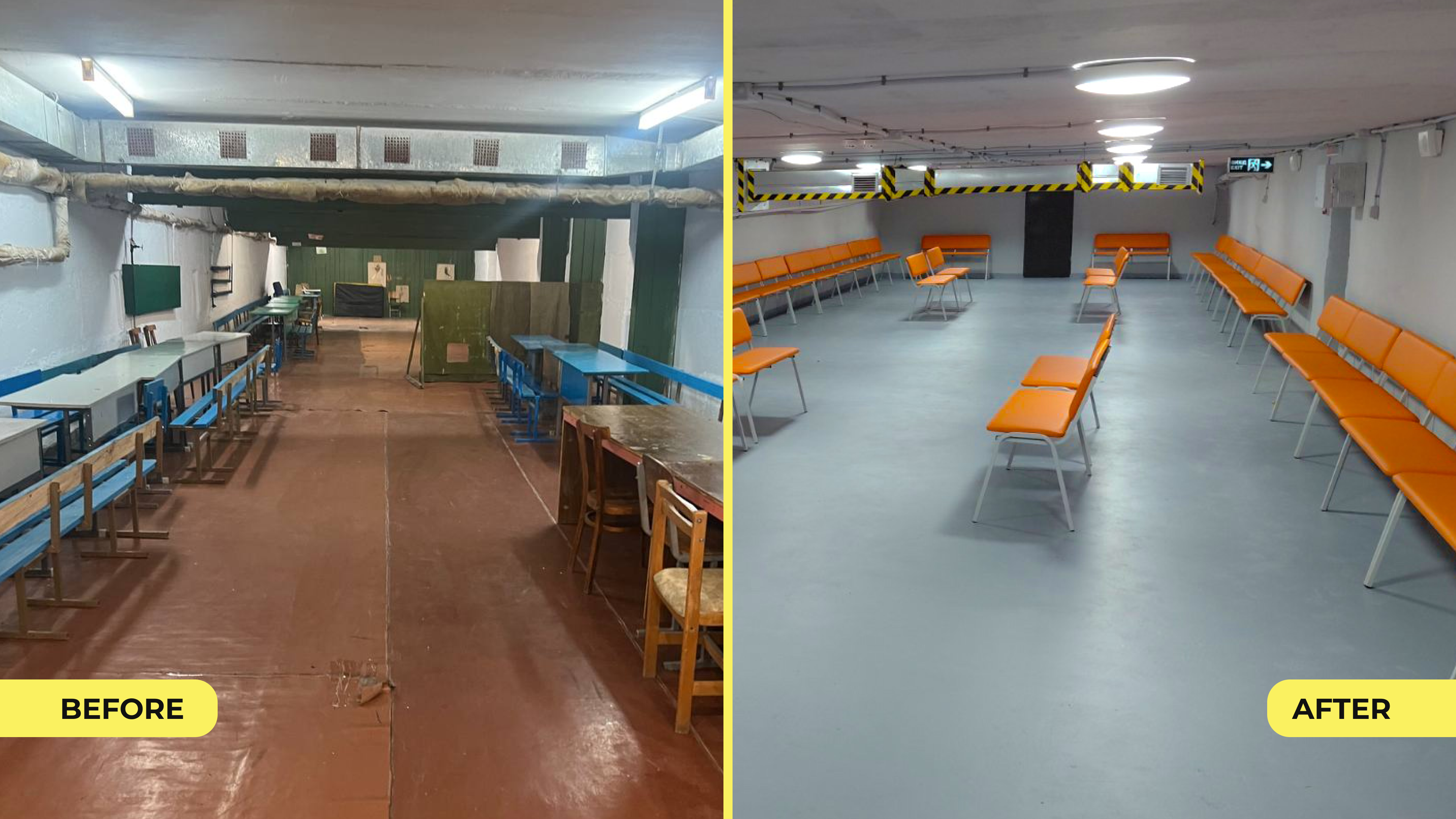
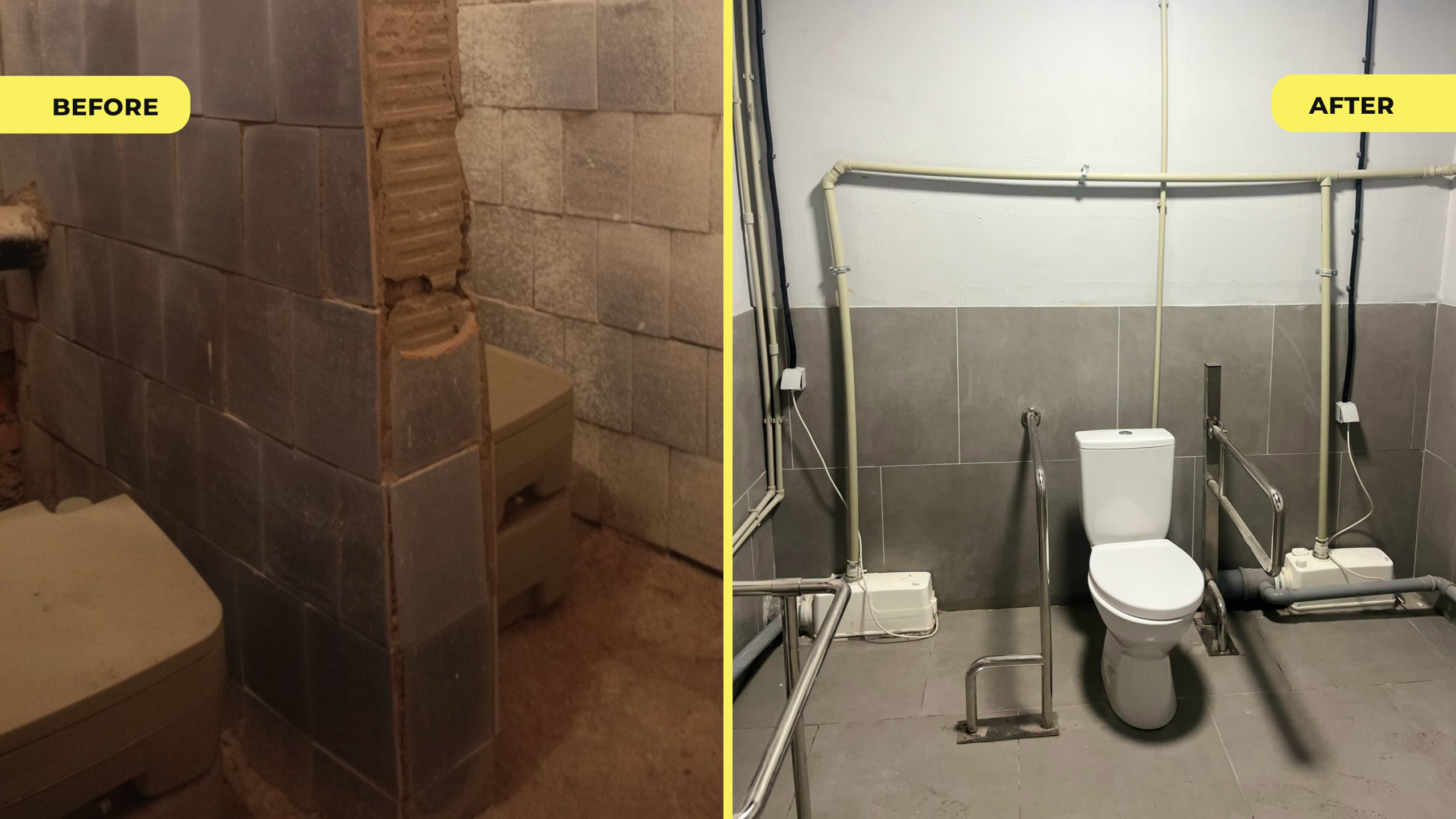
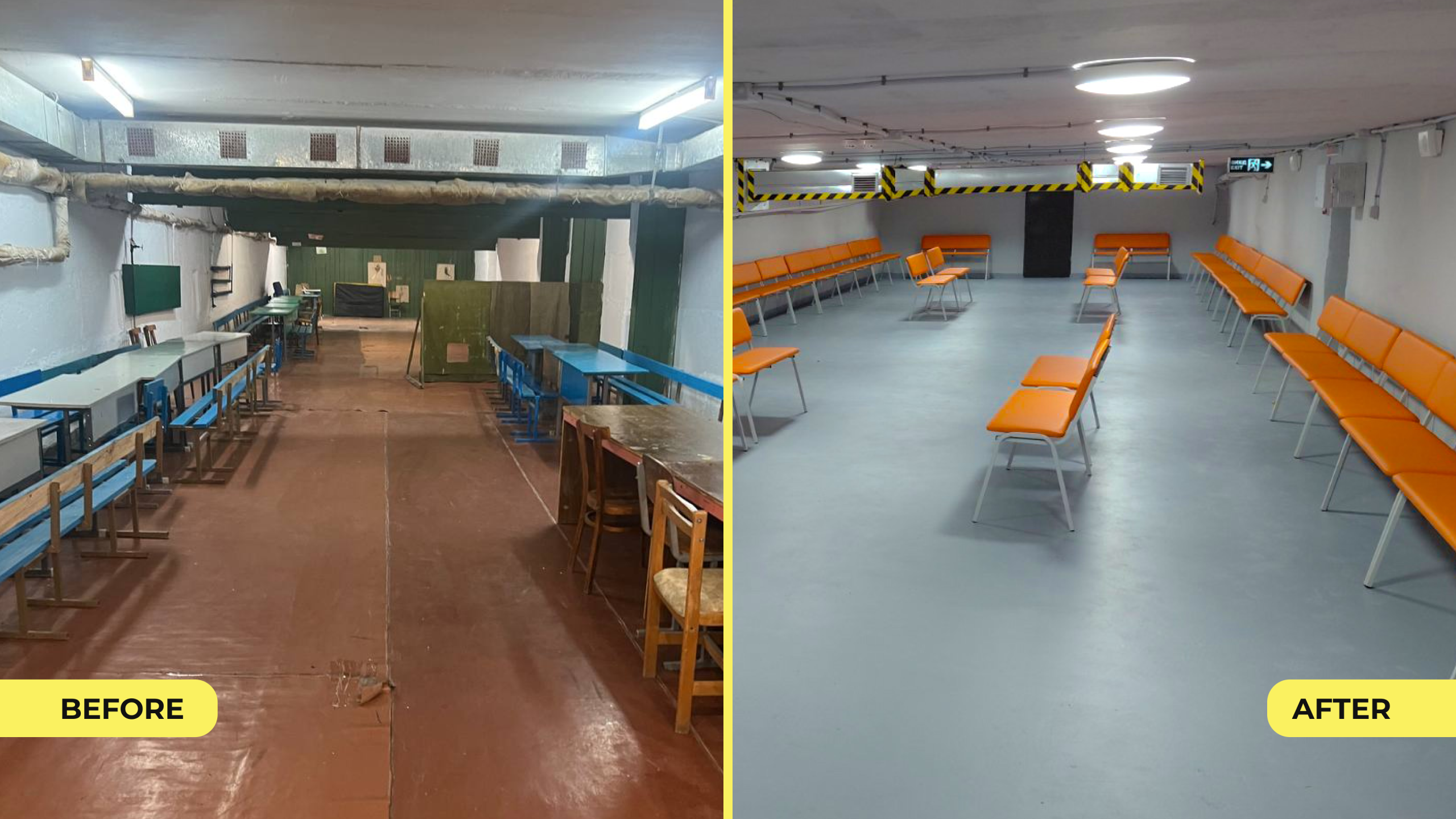
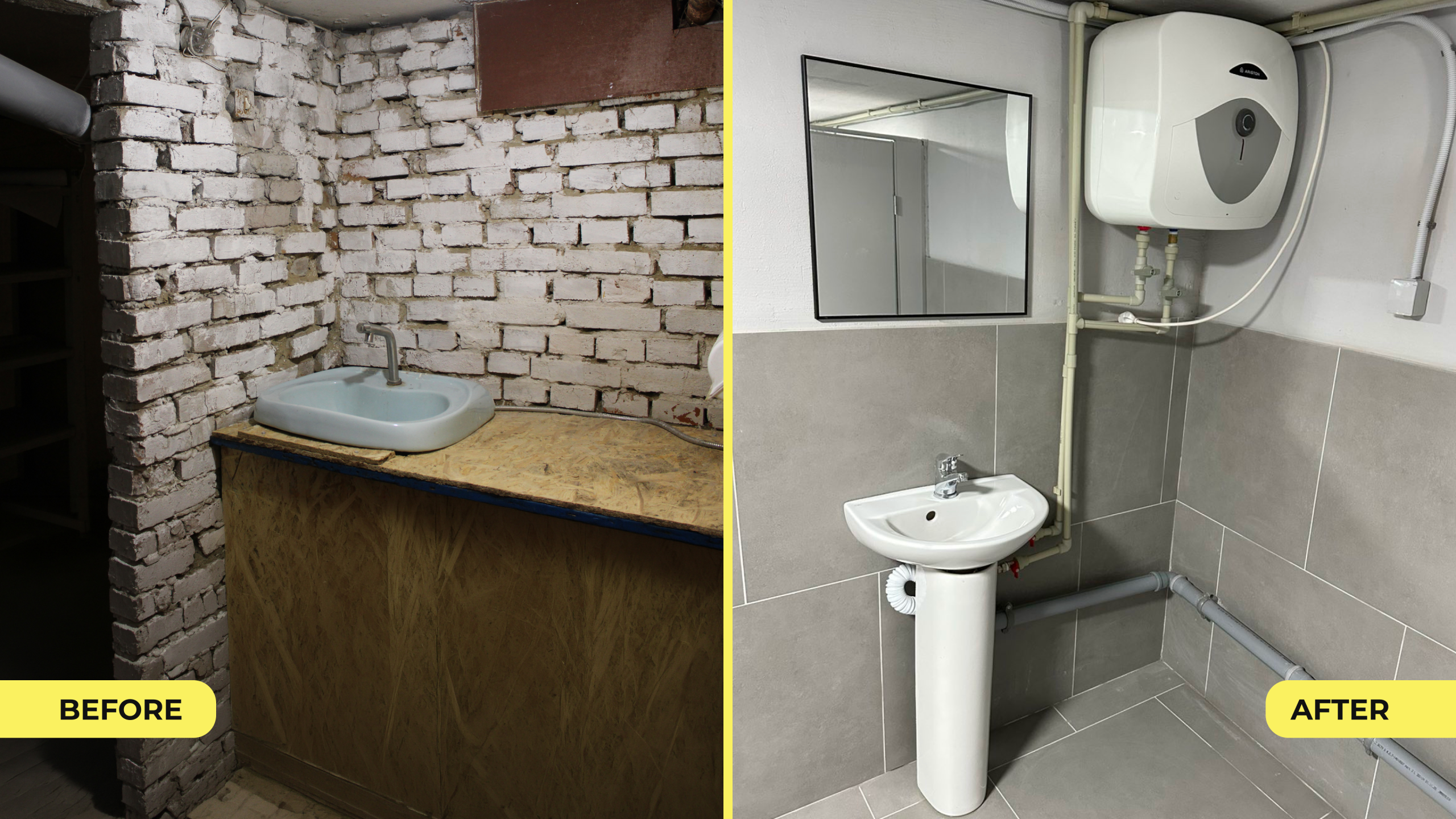
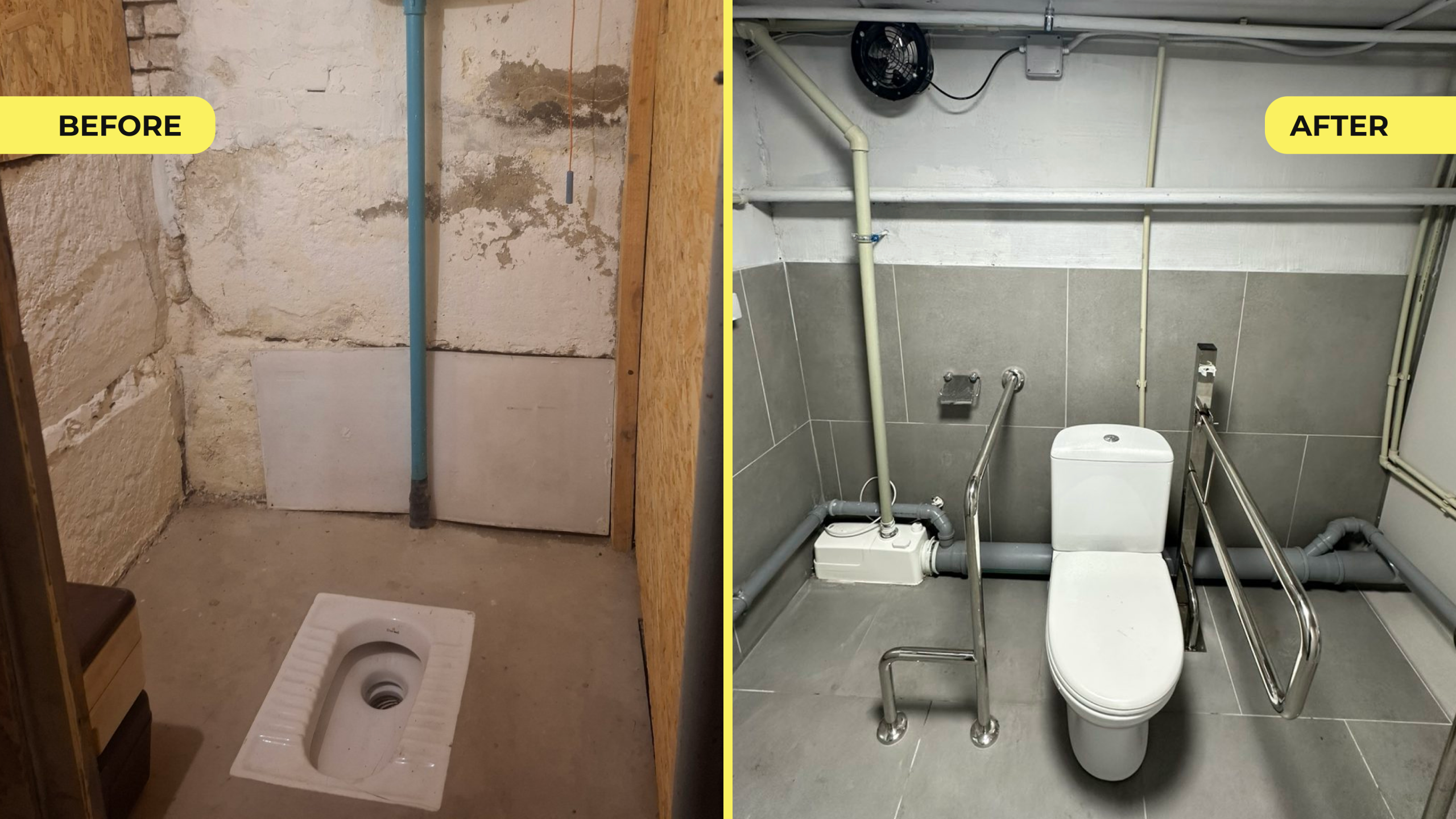
Another school that received an upgraded shelter is Krolevets Gymnasium in the frontline Sumy region. Nearly 800 children study there, but the existing shelter could not accommodate everyone during air raid alerts. Together with the local community, the school found a solution: a neighboring kindergarten shared part of its shelter space. However, significant challenges remained. The facility lacked proper ventilation, lighting, and sewage systems, while the floor remained unfinished. Under such conditions, conducting classes was impossible. The school therefore applied to KSE Foundation to transform the basement from an emergency refuge into a fully functional and safe learning environment.
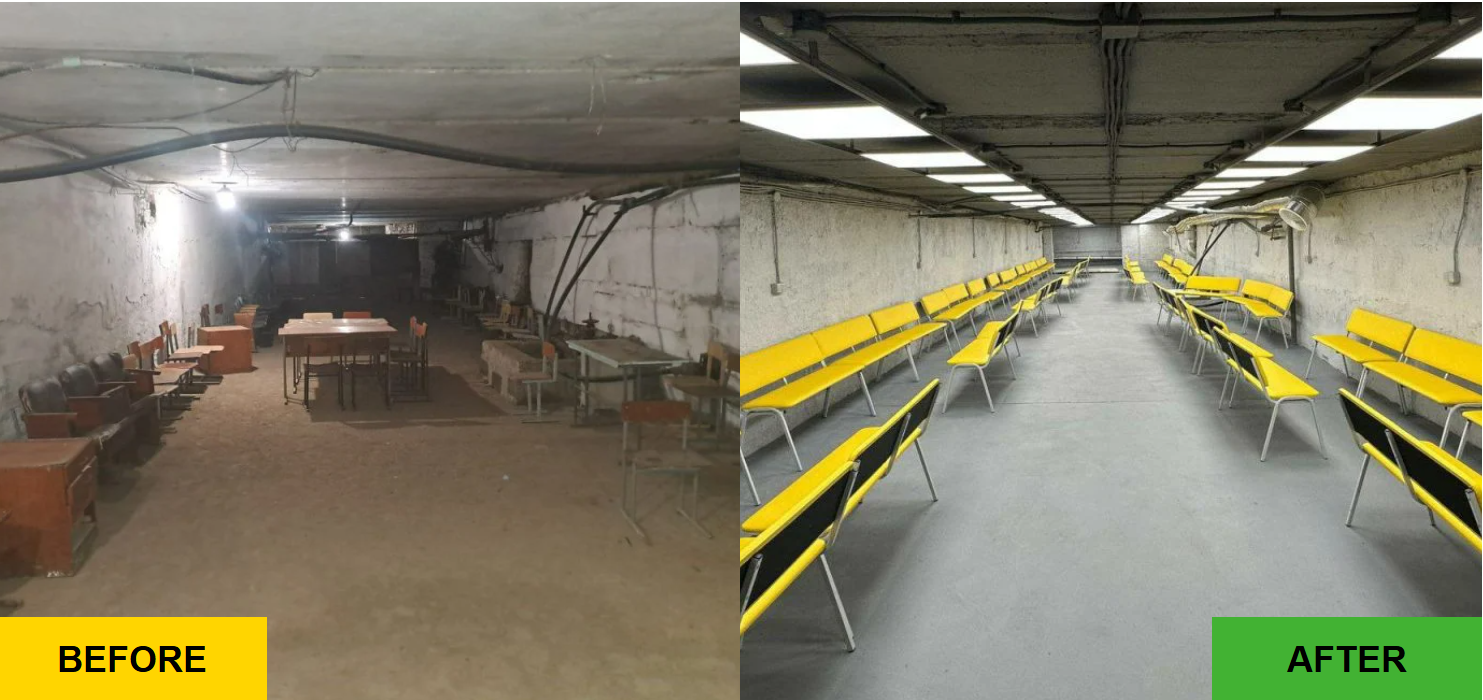
Together with its partners, KSE Foundation continues to ensure that education in Ukraine remains a space for learning, resilience, and future opportunities, even during wartime.
You can support the equipping of shelters in schools and help us bring children back to classrooms via the link.