

26-year-old Kyiv native Daryna Pidhorna has become one of this year’s recipients of the Kyiv School of Economics (KSE) Memorial Scholarships.
She was awarded the Yar Batoh Memorial Scholarship and is currently pursuing a master’s degree in the Memory Studies and Public History program. Daryna is an international lawyer and translator of English and French. For her, this program became an opportunity to combine her passion for human rights, history, and culture.
From her school years, Daryna was fascinated by history—especially Ukrainian history, which, in her view, is often portrayed in textbooks as “gloomy.”
“I was always troubled by the contrast — the histories of other countries seemed to be presented with care and beauty, while ours often wasn’t,” she explains.
When planning her future, studying history at a Ukrainian university seemed like an obvious path. Yet she ultimately chose international law, seeing in it a chance to combine her interest in history and culture with the desire to protect and preserve them.
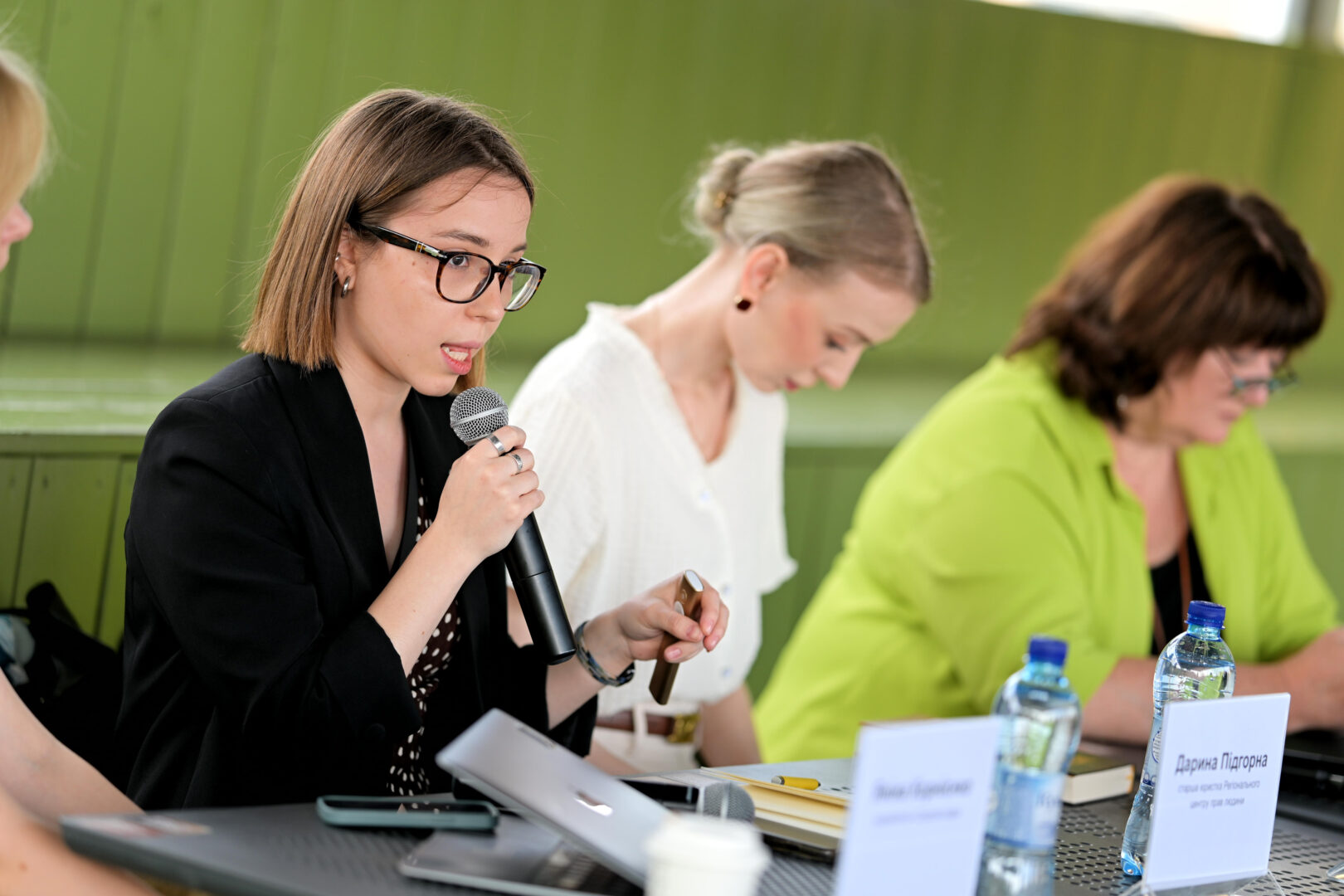
Daryna chose to study at KSE because she saw in the program an opportunity to explore how to communicate complex—and often perceived as “boring”—topics such as law, history, and culture in a language that resonates not only with experts but with society at large.
“This scholarship gave me a sense of pride and great responsibility — for my words at the interview and for my stated intentions. For me, it’s an incentive to follow through with what I’ve started and to continue the ideas and values that Yar Batoh embodied,” Daryna shares.
On February 24, 2022, Daryna and her family were forced to leave Kyiv for the village of Buzova, and later relocated to Lviv.
“A week before Easter, we returned to Kyiv. Only the annex to my grandfather’s house in Buzova — where we were hiding from the Russians — survived; everything else was destroyed by shelling. We miraculously survived… When we came back, we decided not to rebuild: just covered it with a roof and cleared the debris. But even before the house was destroyed, I was constantly monitoring and documenting the crimes Russia was committing against Ukrainian culture,” she recalls.
That experience further strengthened her determination to continue working on the preservation of historical memory and cultural heritage.
Since 2020, Daryna has been engaged in human rights work focusing on the situation in occupied territories. Her projects include protecting cultural heritage, documenting the use of culture as a weapon of war, and collaborating with international partners on justice and reparations policies. Daryna pays particular attention to developing post-conflict recovery and reconciliation strategies.
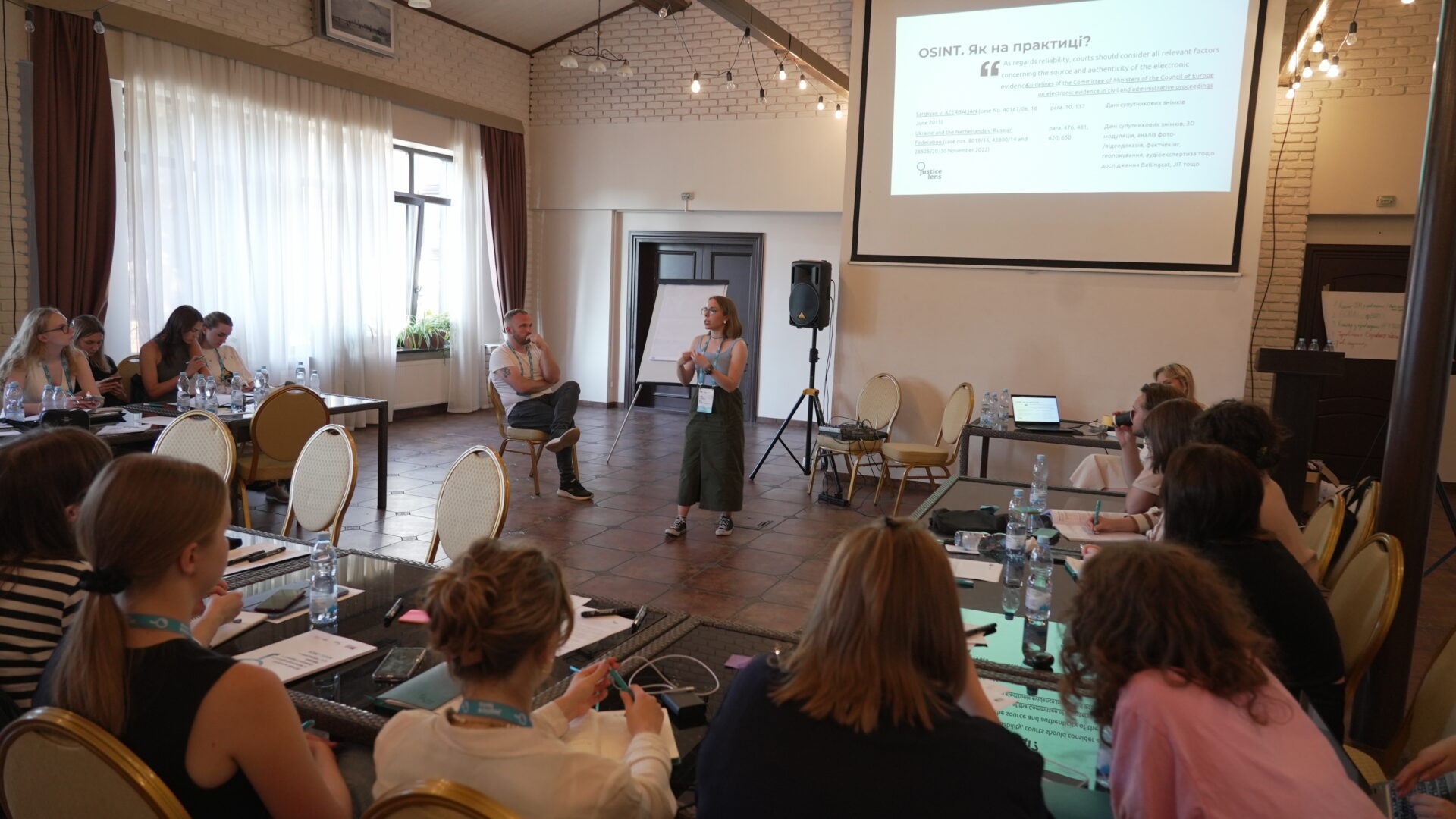
Speaking about her future plans, Daryna says:
“I want to contribute to building institutions of memory that help society comprehend the experience of war — not only within academic circles but also in everyday conversations.”
She believes that Ukraine’s true victory lies not only in military success, but also in the restoration of culture, dignity, and trust — values that can form the foundation of a shared future.
“So that everyone plans not for a funeral, but for a life ‘in sparkles’ — symbolic and life-affirming,” Daryna concludes.