
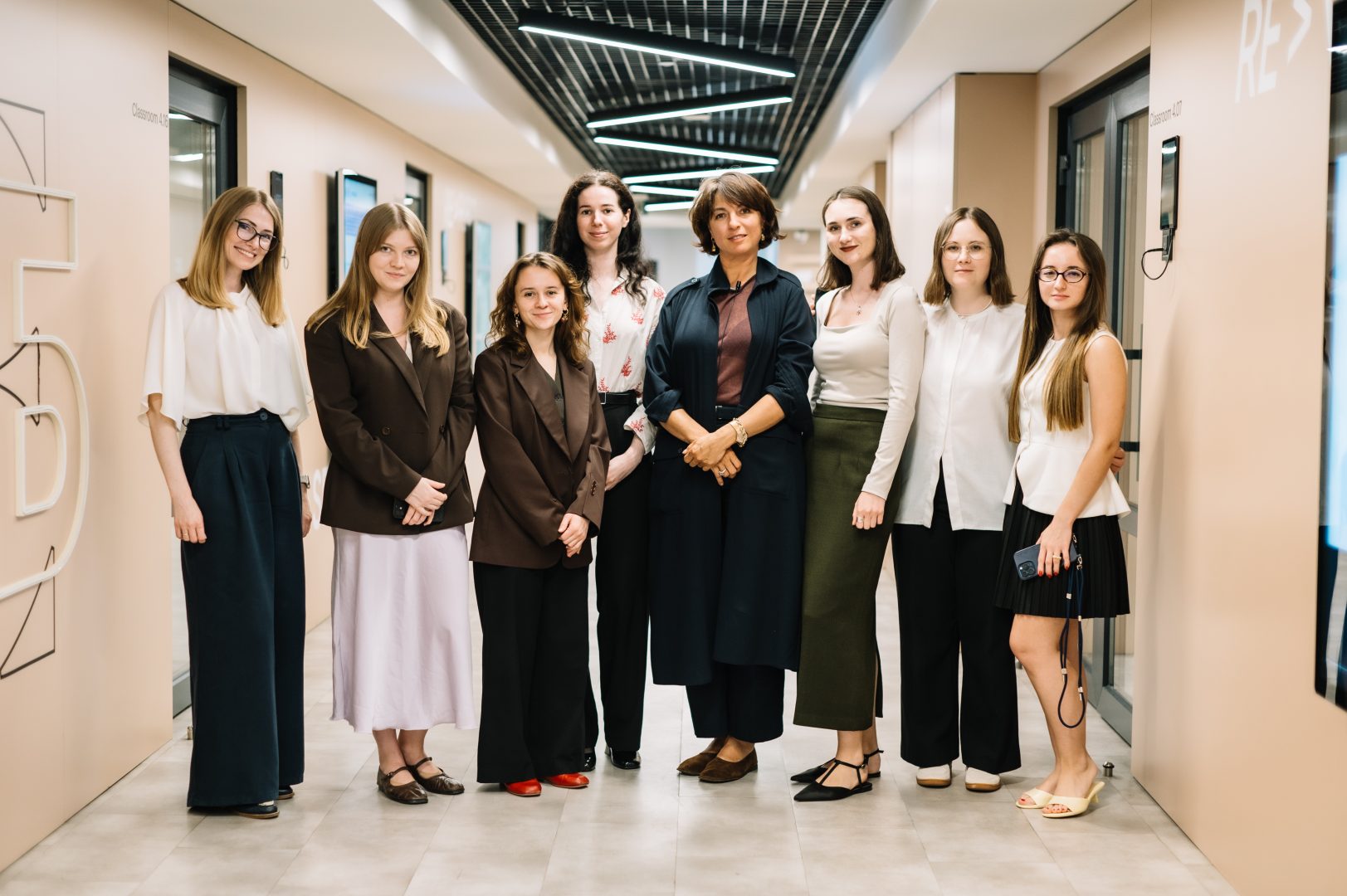
Ukraine is simultaneously fighting for independence, reforming its economy, and preparing to join the EU. In such a context, the country needs new approaches to interaction between business and the state. That’s exactly what participants of the Create Ukraine program discussed with Anna Derevyanko — Executive Director of the European Business Association (EBA), CEO and Co-founder of Global Business for Ukraine.
Create Ukraine is co-funded by the European Union and the Government of Lithuania within the framework of the EU4Youth program, aimed at supporting young people. The project is managed by the Lithuanian organization Central Project Management Agency and implemented by the KSE Foundation at the Ministry of Economy of Ukraine.

Anna Derevyanko is one of the key figures who has helped shape Ukraine’s business climate over the past two decades. She was at the roots of the EBA, building it from an empty office with nothing but belief in systemic change and a long-term vision.
“I remember how in the early 2000s, we used to write letters to government officials. It felt like we were shouting into the void — no one read them, no one responded. So our first victory was just getting a reply. Then — a reply that made sense. Then — a meeting. And eventually — a systemic dialogue.
We built a bridge between business and government. But that bridge won’t hold if people walk in opposite directions. If one ministry has one vision and another has a different one, business won’t wait for them to agree — it will go where it’s clear who is responsible, where there’s strategy, not chaos,” Anna explained.

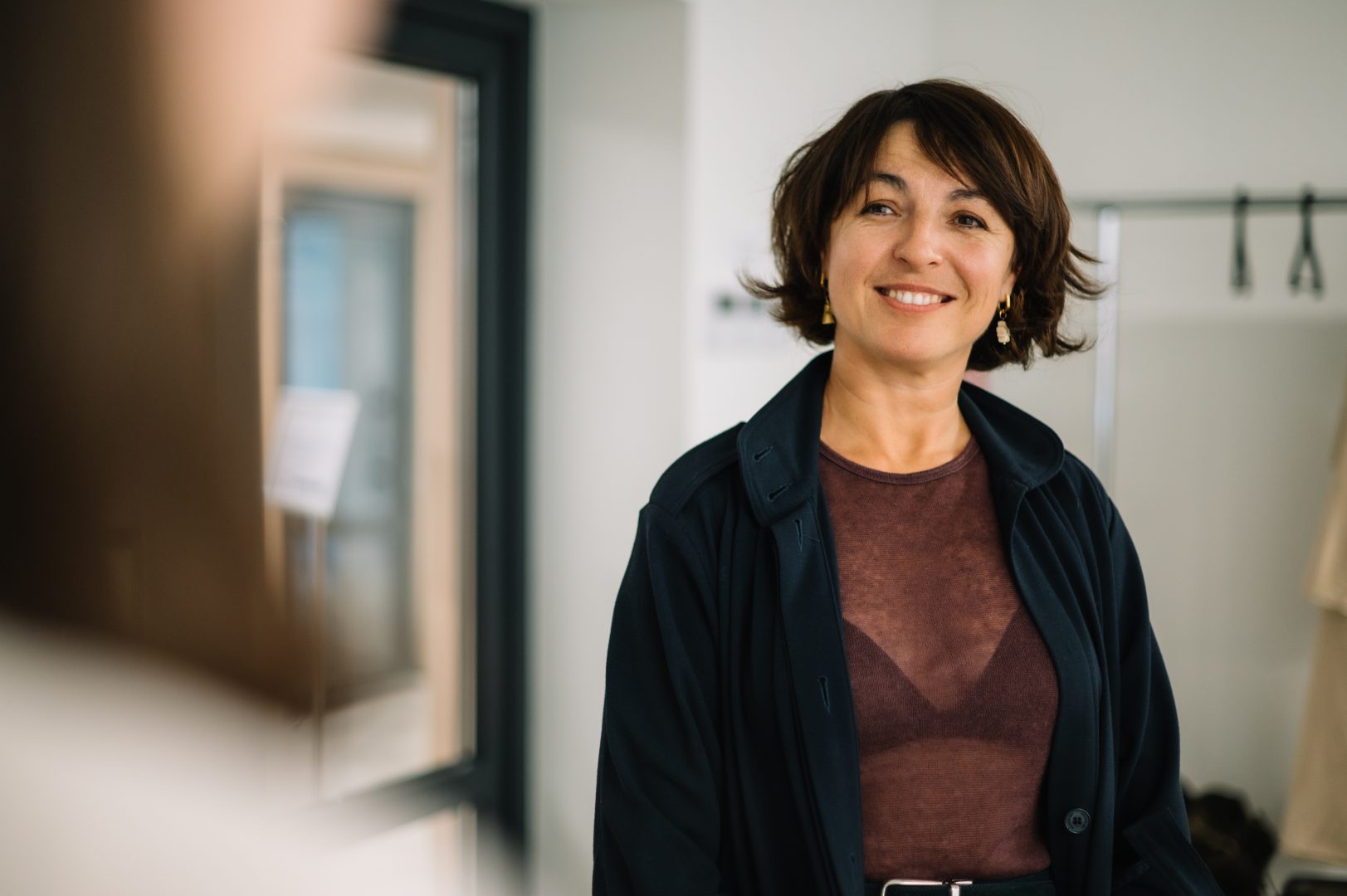






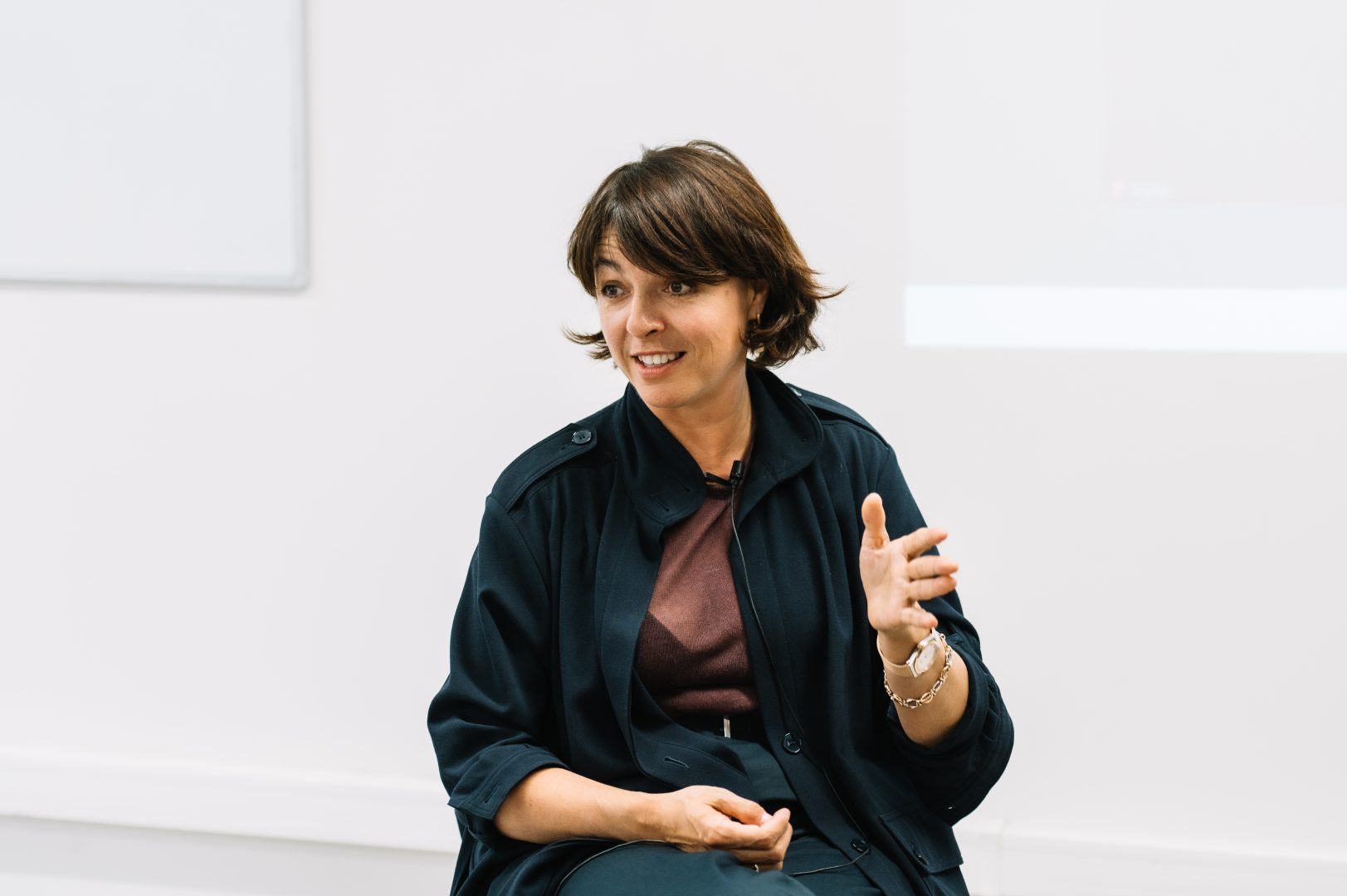


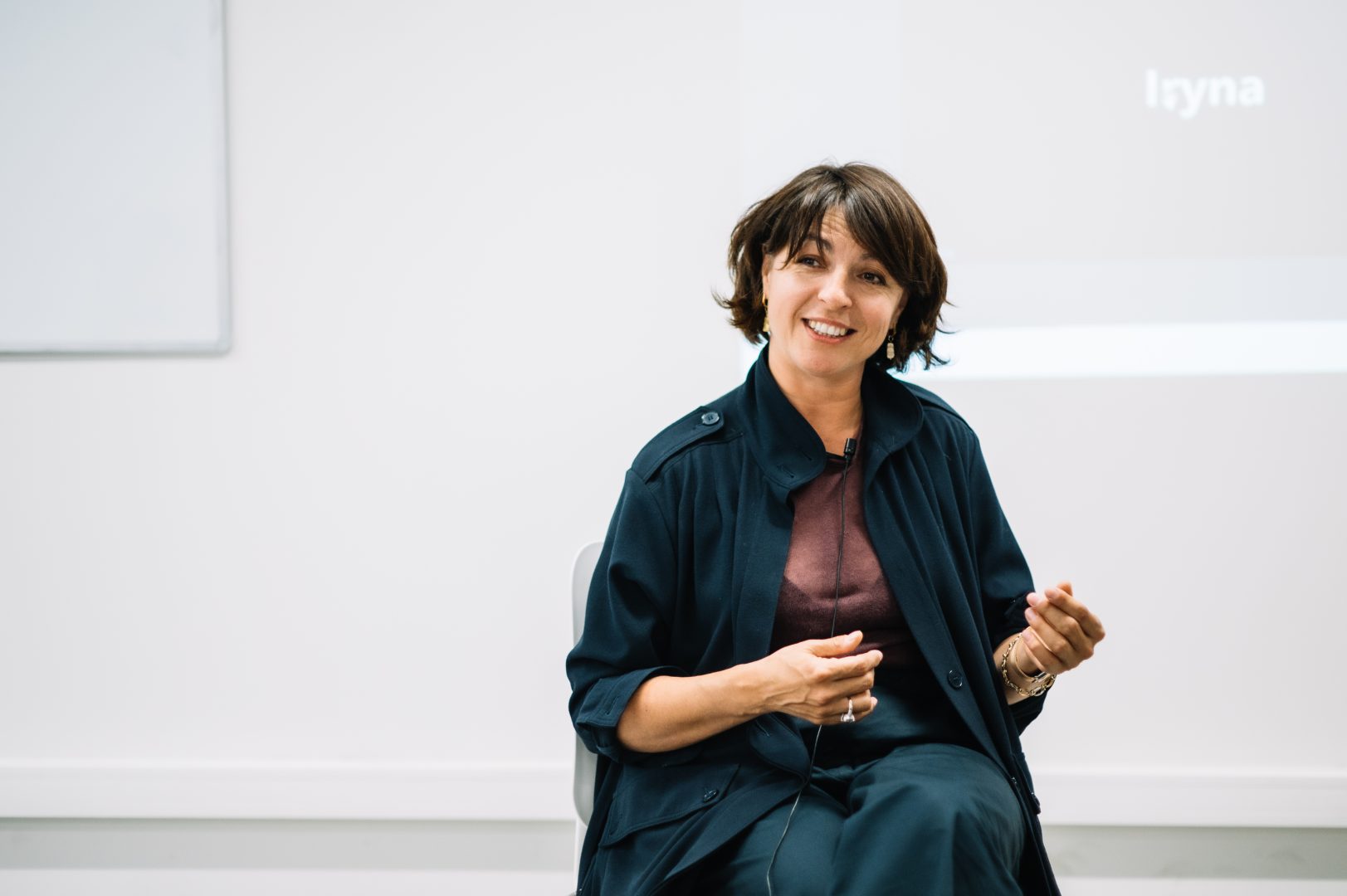

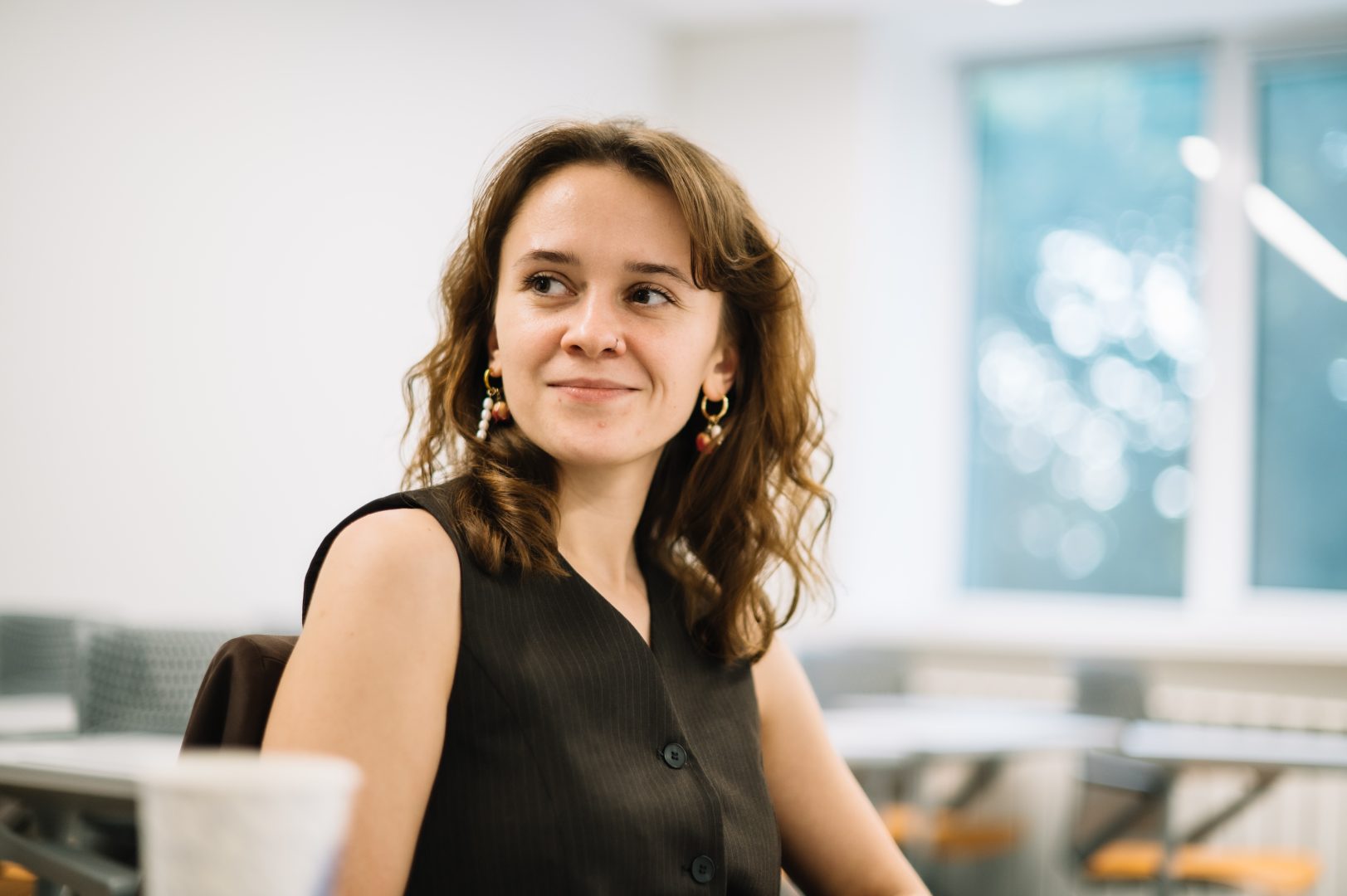
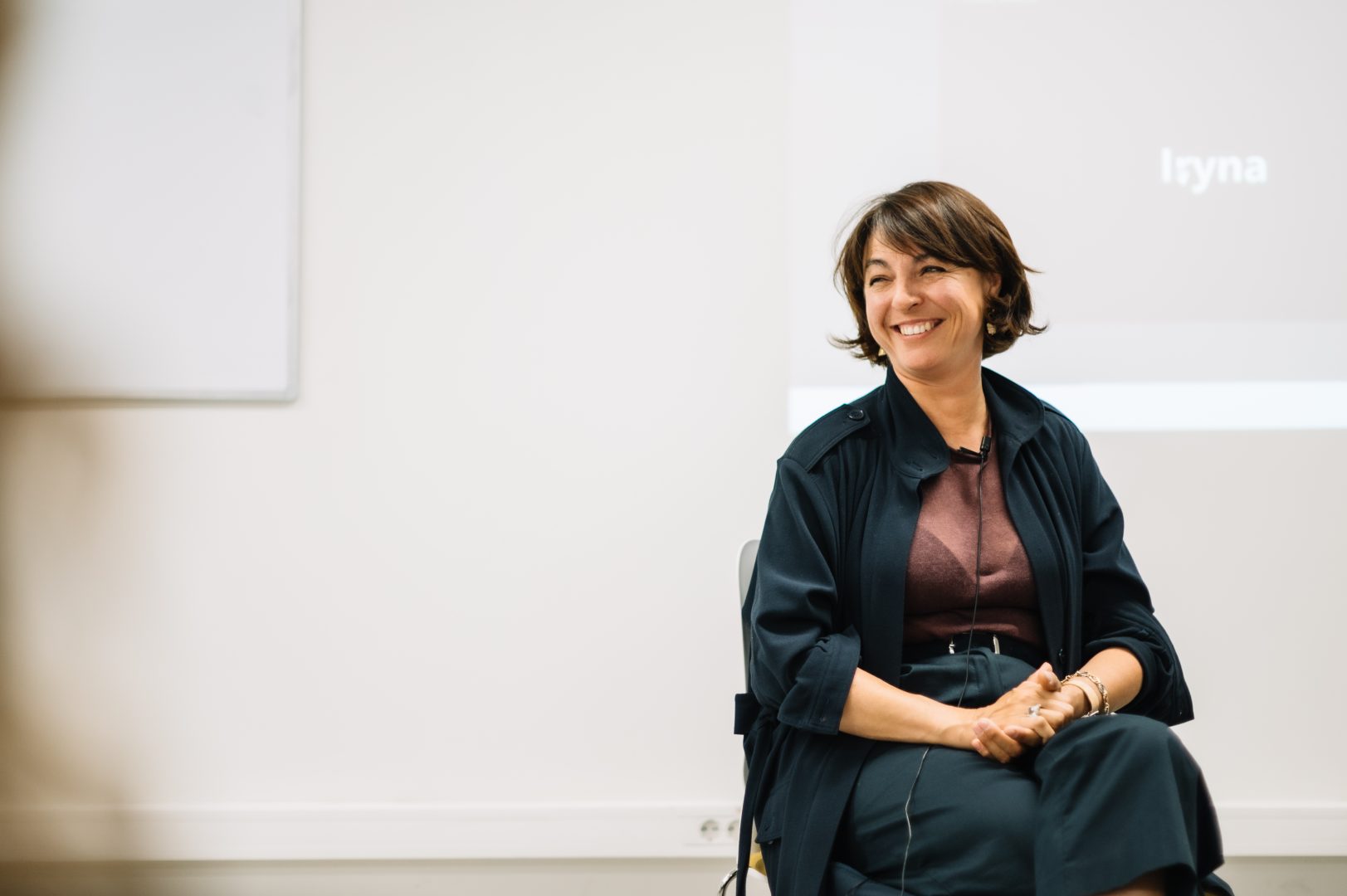
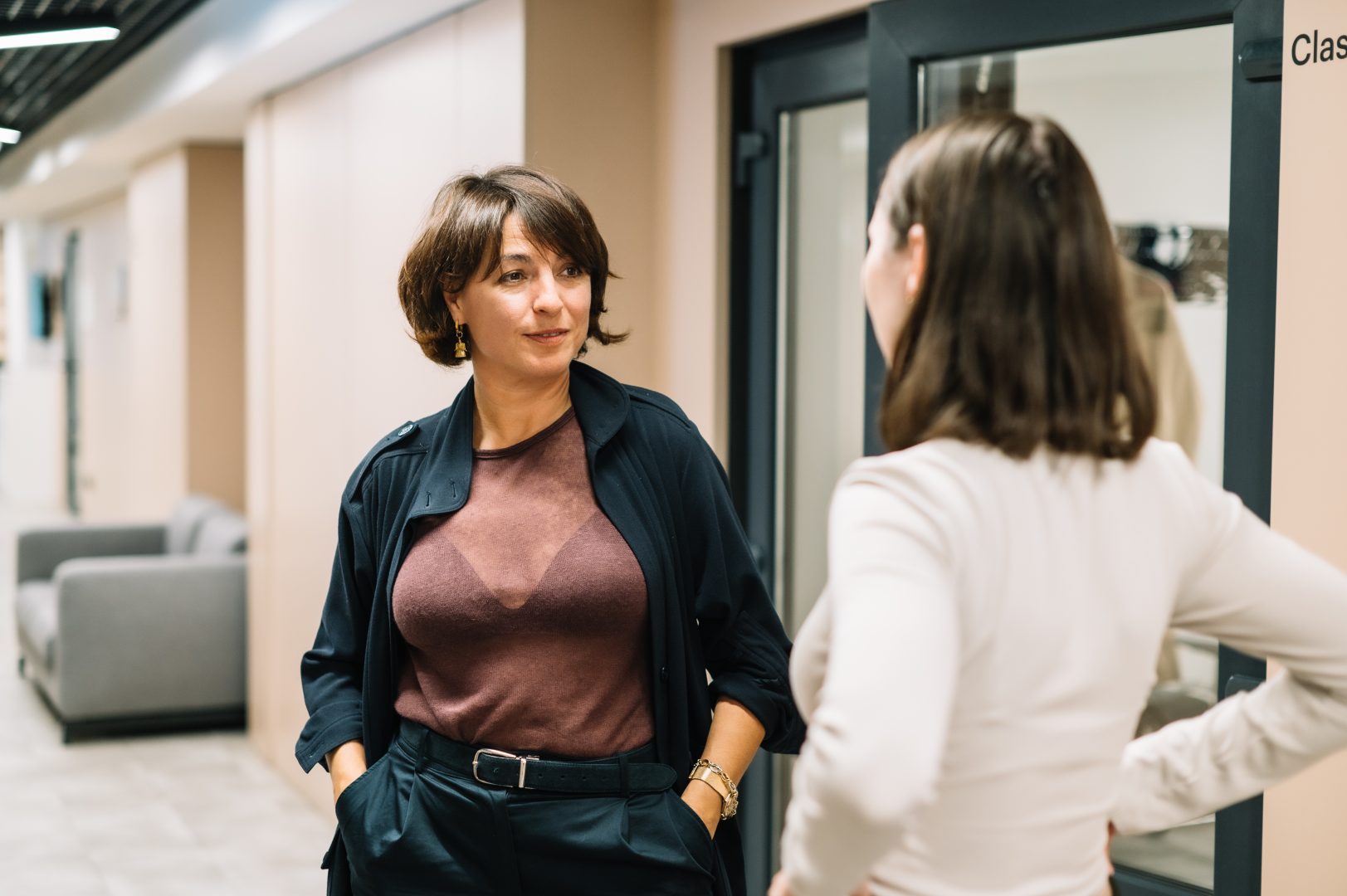
During the mentorship session, participants discussed macroeconomic policy, customs reform, investment, EU integration, and institutional leadership. Anna focused in particular on trust as the foundation of any successful interaction.
Here are 10 key pieces of advice she shared:
-
Don’t wait for an invitation — take action yourself
“After university, I went to everyone asking: give me a job, teach me different things. I even worked without pay on tasks that helped me grow. I became a CFO at 23.”
-
Mature decisions aren’t always made at a mature age
“I turned down the EBA leadership role twice because I thought I was too young. But when they asked a third time — I knew it was time to step in and do the job.”
-
Don’t be afraid to start from scratch
“I was the second person to join the European Business Association, which at the time consisted of two people. All we had were keys and a few folders on the floor.”
-
Recovery is part of your effectiveness
“I always tell my team: learn to take care of yourselves. Find time, get enough sleep. If you’re full of energy — you’ll give more to the world and to Ukraine. The main thing is to learn how to recharge, wherever you are.”
-
The government must work as a team
“It doesn’t really matter which ministry is responsible. What matters is the result. Government should function as a unified team, not as a competition between agencies.”
-
KPIs are not just for business
“To avoid chaos, the entire government structure should work toward shared goals — like citizens’ well-being, growing investments, controlling inflation. Not everyone pulling in different directions.”
-
European integration is not romance — it’s a plan of action
“Poland had different governments, but they always aimed at the same goal. We, on the other hand, tend to swerve. Europe won’t wait — we have to move decisively and in sync.”
-
A leader must have vision — and be ready to lose positions
“True leadership is the ability to make unpopular but strategic decisions. Even if it costs you your career.”
-
Love for people is the foundation of public service
“If you don’t love people, can’t forgive anger, or aren’t ready for criticism — it’ll be very hard for you in government.”
-
Ask yourself: “Am I still curious?”
“Sometimes it feels like carrying a suitcase without a handle. But if you’re still curious — then it’s your path. Just keep going.”
Mentorship sessions are a key element of the Create Ukraine program. They provide participants with the knowledge and skills needed to work effectively in the public sector.
Previous sessions have featured Nataliya Boyko, Advisor to the Prime Minister of Ukraine and member of the Supervisory Board of Naftogaz; Victor Yushchenko, third President of Ukraine (2005-2010); Nadiia Pototska, strategic communications and crisis PR consultant; Heorhii Tykhyi, spokesperson for the Ministry of Foreign Affairs; Anna Novosad, former Minister of Education of Ukraine; Svitlana Kotliarevska, an expert in building and scaling teams in the public sector; Mariia Zakharenko, head of the Reform Support Team at the Ministry of Economy; and Sergiy Nikolaychuk, Deputy Governor of the National Bank of Ukraine