
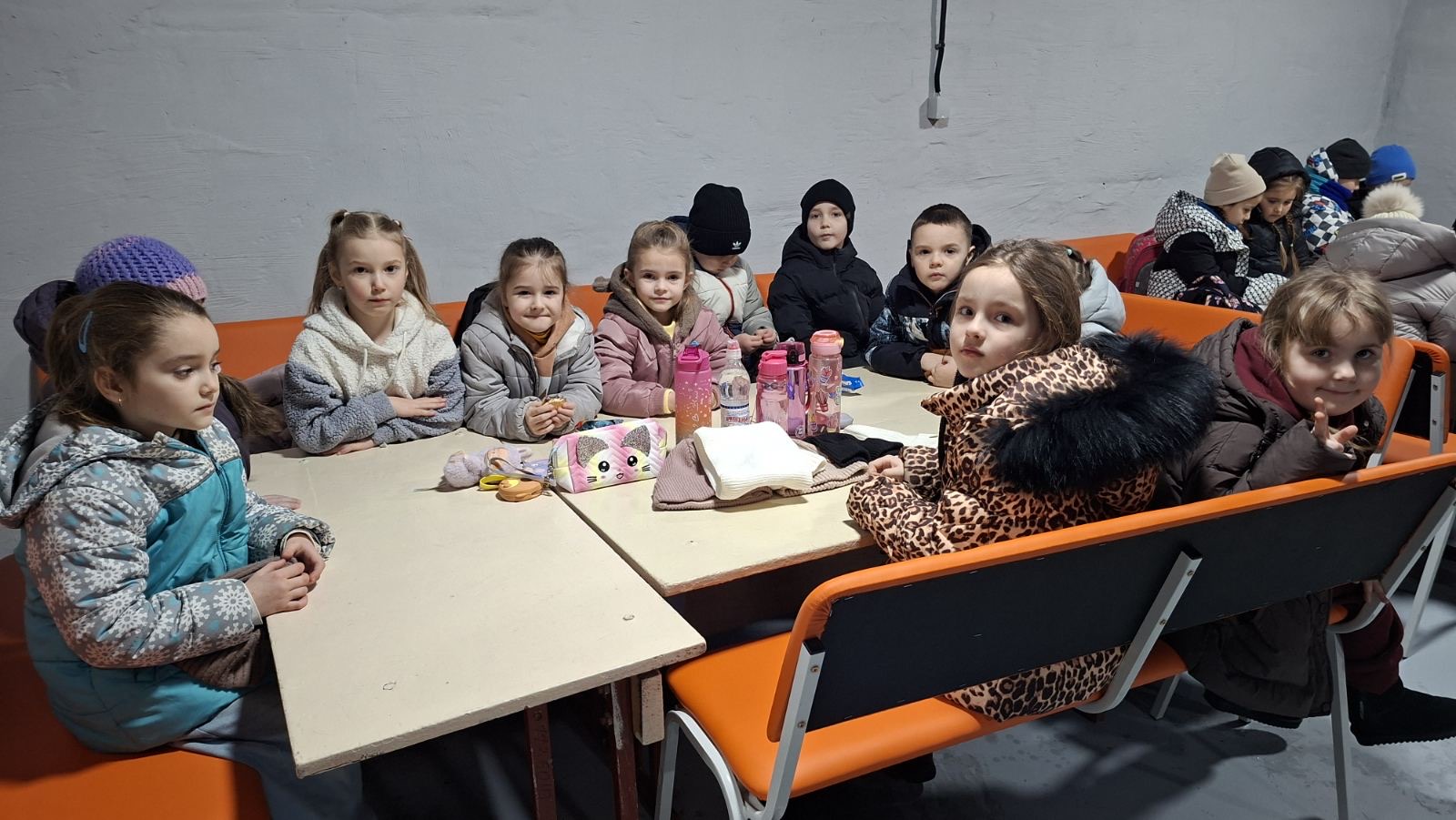
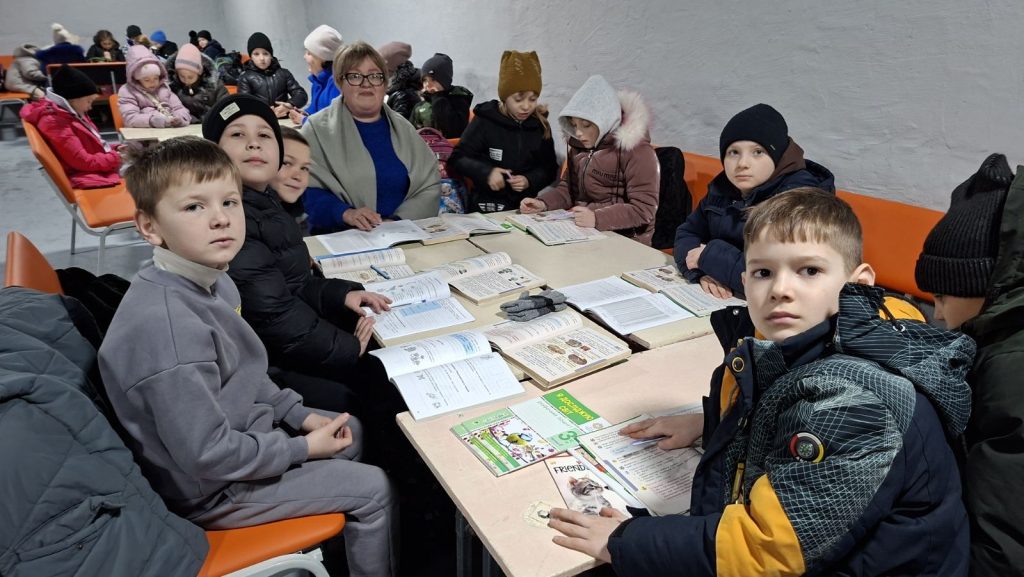
At Kryvoozerskyi Lyceum № 2 in Mykolaiv region, the shelter for 332 schoolchildrens has been renovated. Thanks to the KSE Foundation, students can continue their studies even during prolonged air raid alerts.
This is already the second educational institution in Mykolaiv region where the KSE Foundation has upgraded shelters as part of the multi-year MYRP resilience program, funded by Education Cannot Wait (ECW) — the UN global fund supporting education in emergencies and protracted crises. The MYRP program in Ukraine is implemented with the support of the Ministry of Education and Science of Ukraine.
“We launched the shelter improvement program so that Ukrainian children could attend in-person classes. Having a safe shelter is a basic requirement for returning to offline education. We are not creating full-fledged “underground schools,” but we equip them according to safety standards: ventilation, lighting, bathrooms, seating, clear navigation, and accessibility,” says Marina Borysenko, Program and Implementation Director at KSE Foundation.
Thanks to Education Cannot Wait (ECW) funding, the foundation has equipped 15 shelters in educational institutions. One such shelter has been created at Kryvoozerskyi Lyceum No. 2 in the town of Kryve Ozero, where prolonged air raid alerts occur regularly.
After the full-scale invasion began, the lyceum operated in a remote learning format. Schoolchildrens returned to in-person classes in September 2022, but the existing shelter — a basement with storage rooms — was not suitable for prolonged occupancy. The shelter lacked ventilation, lighting, water, and indoor toilets. Children quickly became tired, felt discomfort and a lack of air, and holding lessons during long alerts was extremely difficult.
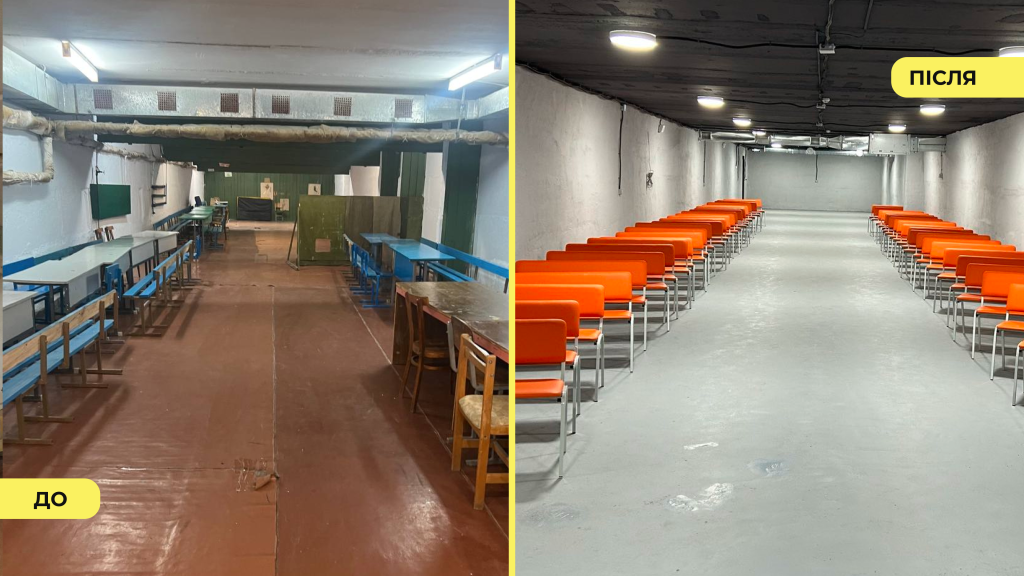
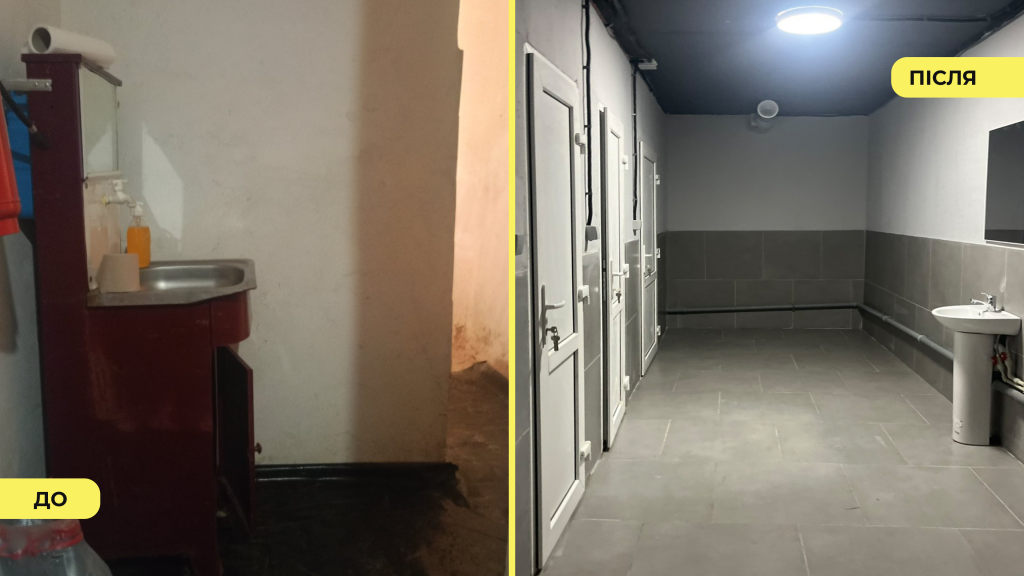
With support from KSE Foundation, the lyceum’s shelter was fully renovated and brought up to standards. The space is now bright, accessible, and comfortable for all participants in the educational process.
“Returning to in-person learning was important for the entire school community. Live interaction with teachers and peers directly affects learning outcomes and the emotional well-being of children, so having a safe shelter became a priority for us. Previously, it existed only formally and was not suitable for prolonged use: dark, damp, without ventilation or basic facilities. Today, these issues have been resolved — the shelter has become a bright and comfortable space,” says Iryna Karapovska, Director of Kryvoozerskyi Lyceum № 2.
What was done:
-
Removed old structures and repaired walls, ceiling, and floors
-
Updated electrical wiring and lighting
-
Installed a ventilation system, interior and fireproof doors
-
Equipped a bathroom for people with reduced mobility, with mirrors and a water heater
-
Added handrails on stairs for additional safety
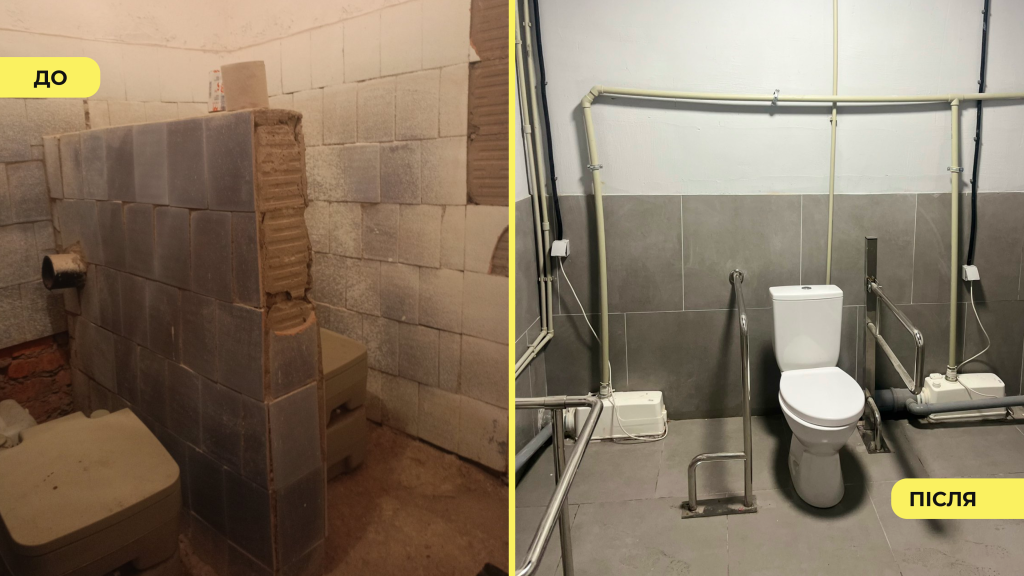
The renovated space allows not only to shelter from danger but also to continue a full educational process — conducting lessons, extracurricular activities, and providing psychological support to children. A practical psychologist works in the lyceum, staying with students in the shelter during air raid alerts and helping stabilize their emotional state.
Kryvoozerskyi Lyceum № 2 plays an important role in the community as an educational, cultural, and volunteer center. The school educates 11 children from internally displaced families from Donetsk, Mykolaiv, and Kherson regions, as well as 7 students with special educational needs. Charitable events, volunteer initiatives, sports competitions, and activities supporting the Armed Forces of Ukraine are also held here.
“The trials of war have shown the strength of our educational community, its resilience, and readiness to protect what is most valuable — children and their future. The school constantly supports the military: weaving camouflage nets, providing food, homemade baked goods, essential items, and organizing charity fairs. Currently, two school staff members and about 30% of our alumni serve in the Armed Forces,” adds Iryna Karapovska.
The KSE Foundation, in partnership with donors, continues to work on returning Ukrainian children to in-person learning so that education remains a space of stability and development even during the war. Since 2022, thanks to KSE Foundation donors, 115 shelters in schools and kindergartens have been equipped, and over 45,000 children have returned to in-person learning.